
Reviewed · ARCHAEOLOGIST-LED TOURS
Pompeii: Skip-the-Line Tickets and Tour with Archaeologist
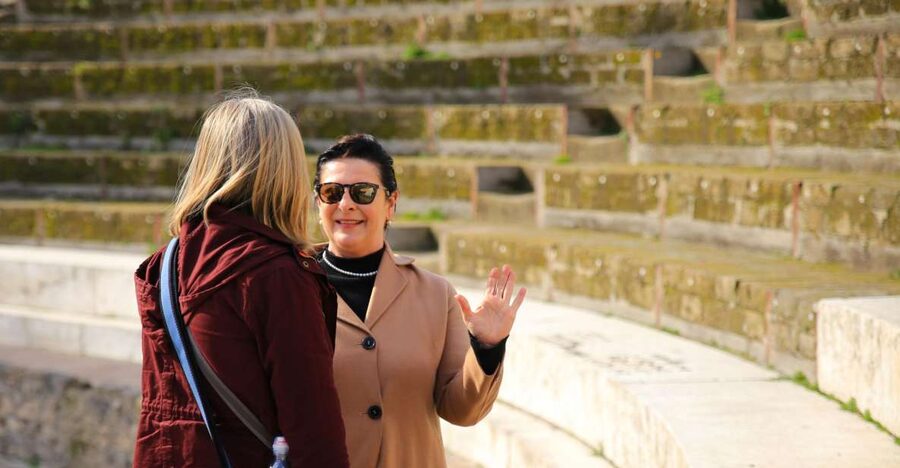
Pompeii is easier to understand when someone helps you read it. A stone street is not just an old road, a bakery is not just a row of ovens, and the Forum is not merely a broad open space. With an archaeologist beside you, these fragments begin to show how Roman people worked, ate, worshipped, argued, and relaxed before Mount Vesuvius buried the city in AD 79. The storytelling is the heart of this tour, especially with guides such as Lello, Italo, and Raffaele.
I like the separate entrance because Pompeii can draw long queues, and I like the small-group format because it makes room for questions and keeps the guide close. The main tradeoff is time: two hours gives you a useful framework, but Pompeii is enormous, and you will see only a portion of it. Plan to stay longer if you want to explore beyond the guided route.
In This Review
- Key Points at a Glance
- Why an Archaeologist Changes Pompeii
- Meeting at Coffee Shop Vittoria
- Walking the Streets of the Buried City
- Homes, Dining Rooms, and Roman Daily Life
- Bakeries, Shops, and the Working City
- The Gymnasium and the Public Side of Pompeii
- How Much Pompeii Will You See?
- Is $105 a Fair Price?
- Who Will Like This Tour Most?
- What to Bring and What to Leave Behind
- Should You Book the Pompeii Archaeologist Tour?
- FAQ
- Where does the Pompeii tour meet?
- How long does the tour last?
- Is admission to Pompeii included?
- Does the tour include skip-the-line entry?
- What language is the tour in?
- Is hotel transportation included?
- What should I bring?
- Can I bring a stroller or large bag?
- Can I cancel for a refund?
Key Points at a Glance
- A guide who reads the ruins: Archaeologists explain what the buildings reveal about ordinary Roman life, not just dates and emperors.
- Direct entry near Porta Marina Inferiore: Meet at Coffee Shop Vittoria and use a separate entrance to avoid the main line.
- A focused look at major sights: Expect ancient streets, homes, public spaces, bakeries, baths, and the Forum.
- Strong family appeal: Lello has a knack for involving children and turning history into an active conversation.
- Useful follow-up advice: Guides often point out what to see next if you remain inside the site after the tour.
- Two hours, then your own time: The tour gives you a map in your head, but you may want several more hours to see Pompeii properly.
Why an Archaeologist Changes Pompeii
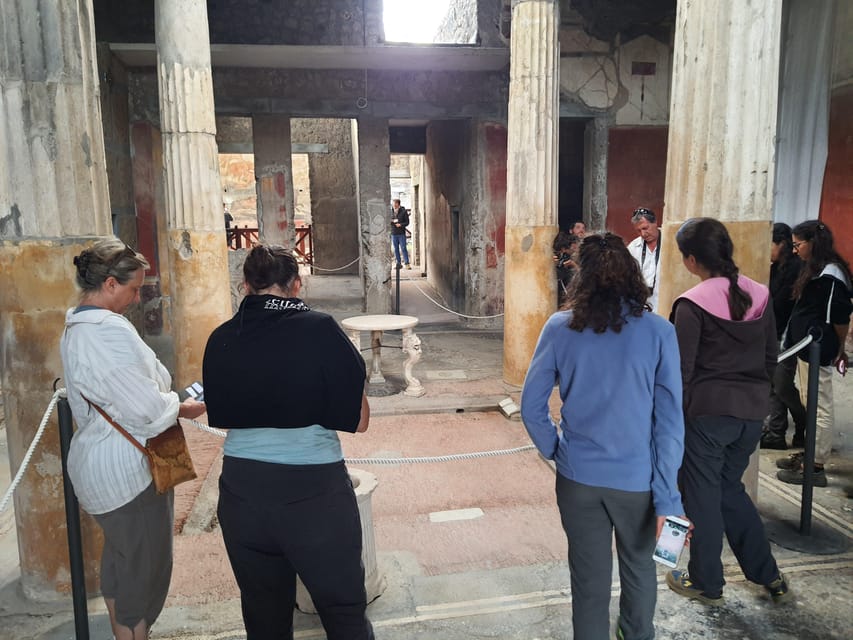
You can walk through Pompeii alone, but the site can feel like a giant collection of walls without a guide to explain the clues. The original volcanic-paved roads, worn thresholds, painted rooms, fountains, shops, and public buildings are impressive, yet their meaning is not always obvious.
An archaeologist can point out how a home was arranged, what a bakery’s ovens tell us about food production, and why the Forum mattered to political and social life. The best part is the connection between the physical remains and daily habits. You are not only looking at a building. You are considering who used it, what happened there, and how the city functioned.
The guides bring different personalities to the work. Lello, also referred to as Lello or Lelo in guest experiences, is praised for humor, energy, and his ability to involve children. Italo is described as careful with context and especially good at teaching people how to interpret what they see after the tour. Raffaele is praised for detailed explanations, while Anna, Maria, Leonardo, Rosanna, and other guides have also received strong marks for warmth and clear commentary.
Guide assignments can vary, so you should not book expecting one particular person unless the operator confirms it. Still, the repeated pattern is clear: the guide is the main reason to choose this experience over simply buying an entry ticket.
More Pompeii excavation visits:
- Pompeii: Entry Ticket with Optional Audio Guide
★ 4.2 · 12,360 reviews - Pompeii: Archaeological Park Tour with Ticket on request
★ 4.5 · 2,283 reviews - Pompeii Ruins Private Tour with Optional Skip-the-Line Entry
★ 4.9 · 732 reviews
Meeting at Coffee Shop Vittoria
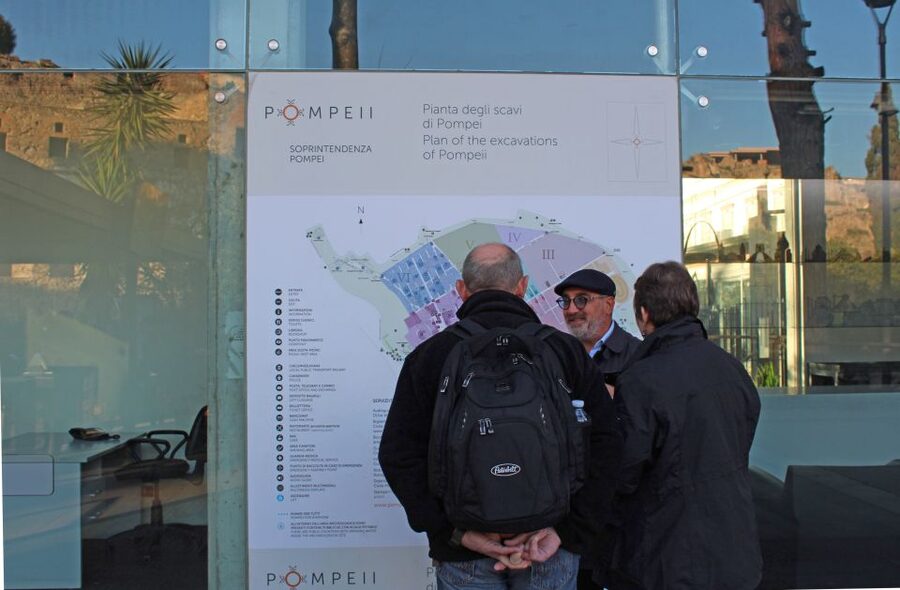
The meeting point is the entrance of Coffee Shop Vittoria, close to Pompeii’s Porta Marina Inferiore entrance. This location matters because the group does not begin at the site’s most obvious central entrance. Give yourself enough time to find the coffee shop and identify the guide before the scheduled start.
You will need the names and last names of all participants exactly as they appear on their identification documents. Children need a passport or ID card. These are simple requirements, but they are worth handling before you arrive, especially if you are booking for a family.
The tour is offered in English. Admission is included, as is the professional guide. Hotel pickup and drop-off are not included, so you are responsible for reaching Pompeii and returning to your accommodation or onward transport.
The separate entrance is a real practical benefit. Pompeii is one of Italy’s major archaeological sites, and waiting in the sun can drain your energy before you see anything. Skip-the-line access does not mean you bypass every security or entry procedure, but it does let you avoid the standard ticket queue through a separate entrance.
Walking the Streets of the Buried City
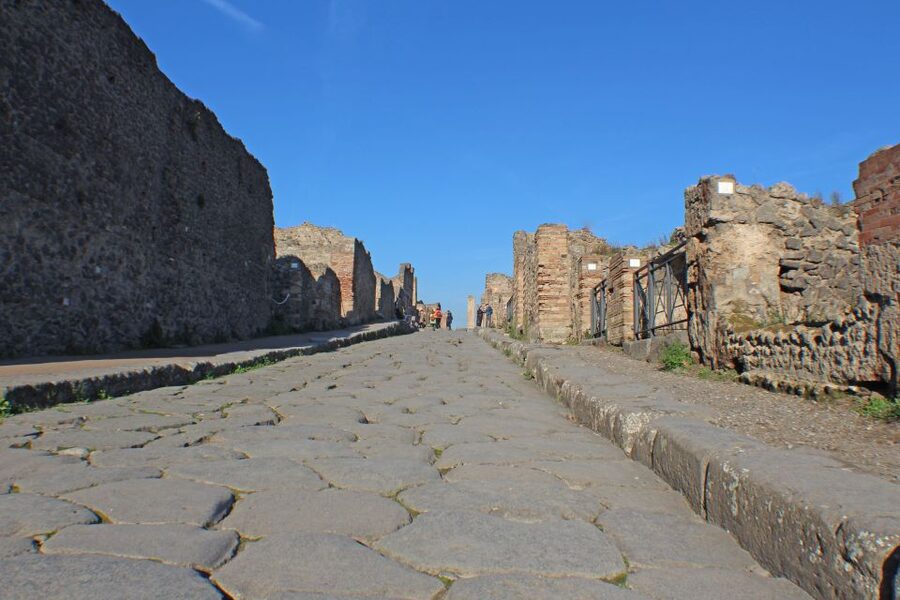
The tour begins with the city itself. You walk along original volcanic-stone pavement and get a sense of Pompeii as a functioning urban center rather than a scattered ruin.
This is where good guiding pays off. The streets are worn, uneven, and visually repetitive in places. A guide can direct your attention to the details that make them useful evidence: the layout of buildings, the relationship between private homes and public areas, and the marks of everyday movement.
Pompeii’s preservation is powerful because it captures ordinary life alongside catastrophe. You may hear about the way residents cooked, shopped, socialized, and moved through town. The guide’s task is to keep the story grounded in what the remains can actually show, while helping you picture the people behind the stones.
Wear comfortable shoes. The ground can be uneven, and the route involves steady walking. A sun hat, sunscreen, and water are sensible choices, especially during warm weather. Umbrellas, large bags, luggage, and baby strollers are not allowed, so pack lightly and leave bulky items elsewhere.
Homes, Dining Rooms, and Roman Daily Life
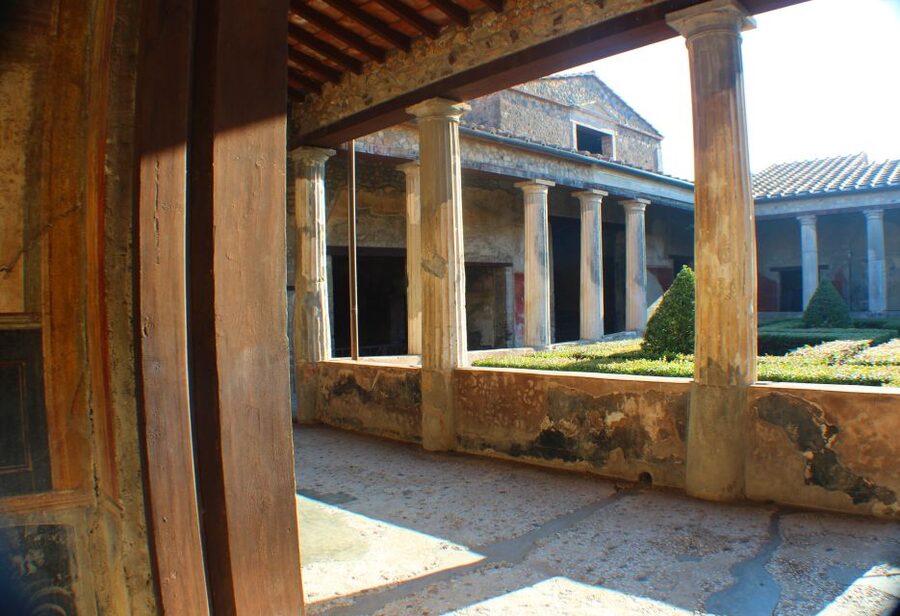
Private houses help make Pompeii personal. The tour uses spaces such as villas and dining rooms to explain Roman customs and social life.
One memorable image is the marble triclinium, the reclining dining arrangement used for feasts. It is easy to look at a decorated room and move on, but the guide can explain how meals worked, how people used the space, and what the setting says about wealth and status.
The tour also places women, enslaved people, workers, politicians, and children within the story. That broader view matters. Pompeii was not only a city of grand houses and public monuments. It was a place where people performed many different jobs and lived within a strict social order.
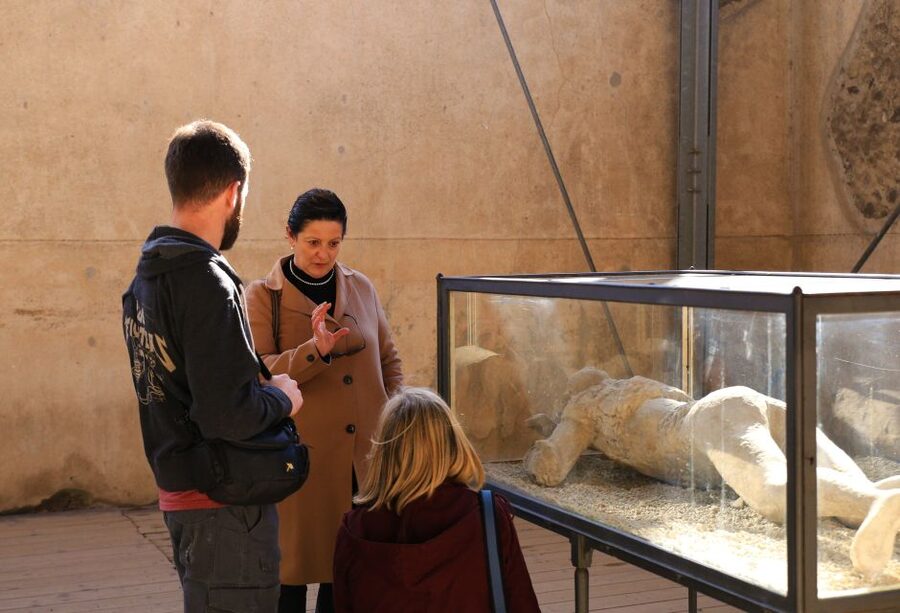
The tone is generally lively, with humor and vivid scenes, but the site also has painful and solemn elements. Some areas connected with the eruption and the people who died demand respect. One guide received particular praise for treating a room associated with a slave girl with care rather than turning it into a spectacle. That balance is important at Pompeii, where curiosity and grief exist side by side.
More tours led by an archaeologist:
- Pompeii: Exclusive Tour with Archaeologist and Entry Tickets
★ 4.9 · 634 reviews - Pompeii: Skip-the-Line Guided Tour with Expert Archaeologist
★ 4.8 · 196 reviews - Pompeii: Entry Ticket and Guided Tour with an Archaeologist
★ 4.8 · 19,459 reviews - Pompeii: Small Group Tour with an Archaeologist
★ 4.8 · 12,264 reviews
Bakeries, Shops, and the Working City
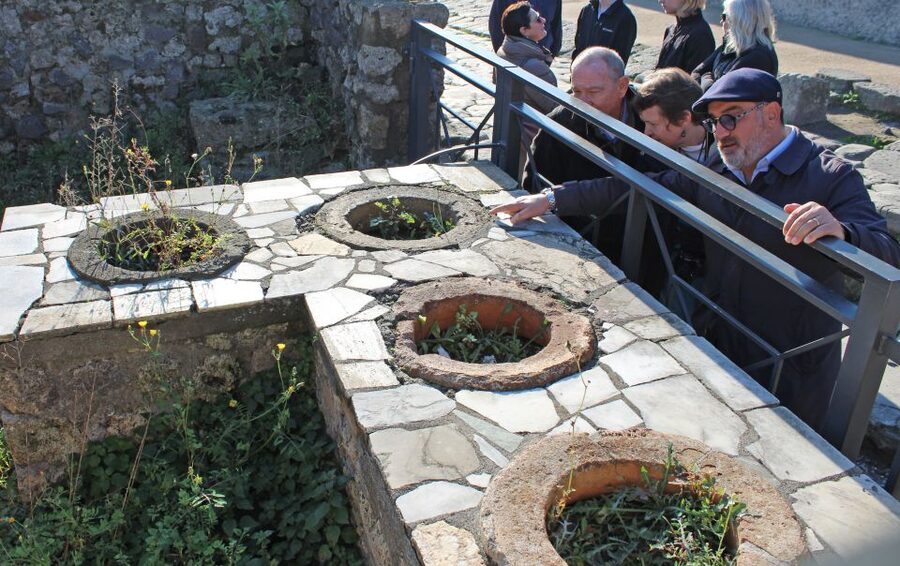
Pompeii is especially good at showing work. The bakeries, ovens, shops, and market areas give you a look at the city’s practical side.
The image of bread rising from ancient ovens is not just a colorful story. It helps you understand that Pompeii was a place of production and trade, not a quiet resort for the wealthy. The guide can connect the tools and structures to the people who prepared food, sold goods, served customers, and kept the city running.
These stops are often more rewarding than a rapid march through famous houses because they connect archaeology to familiar needs. Everyone must eat, shop, work, and meet other people. Seeing those activities preserved in stone makes Roman life feel less remote.
The tradeoff is that a two-hour tour cannot cover every bakery, shop, or residential block. You will get selected examples rather than a complete survey. That is a sensible approach for a first visit, but you should not expect to see the whole archaeological area.
The Gymnasium and the Public Side of Pompeii
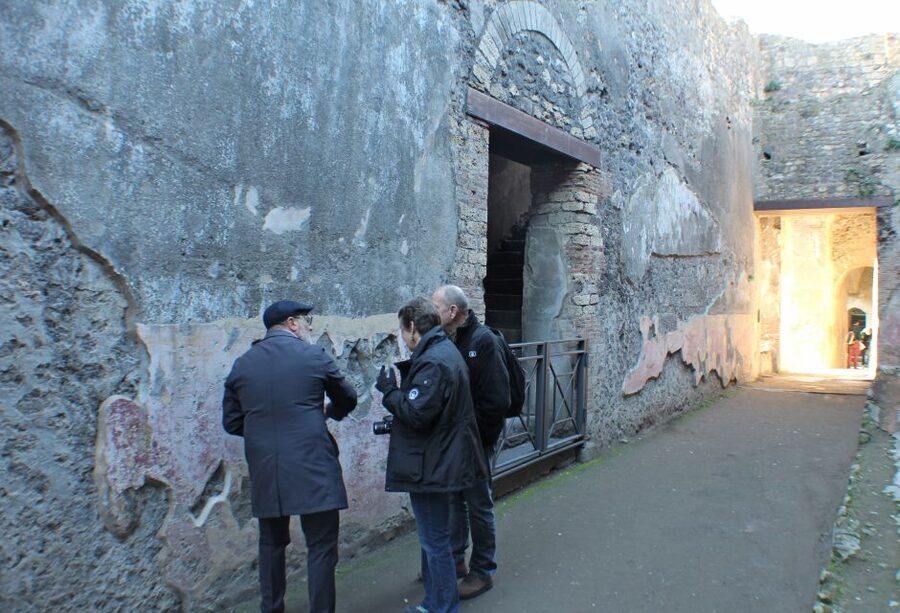
The route also introduces public spaces, including the gymnasium. Here the guide can help you picture gladiators training and explain how public buildings supported the city’s social life.
Pompeii had several overlapping worlds: private homes, commercial streets, religious spaces, political gathering places, and areas linked to entertainment and athletics. The value of a guided route is that it joins those pieces together. You begin to see how one person might move through the city during a normal day and how public identity mattered alongside private comfort.
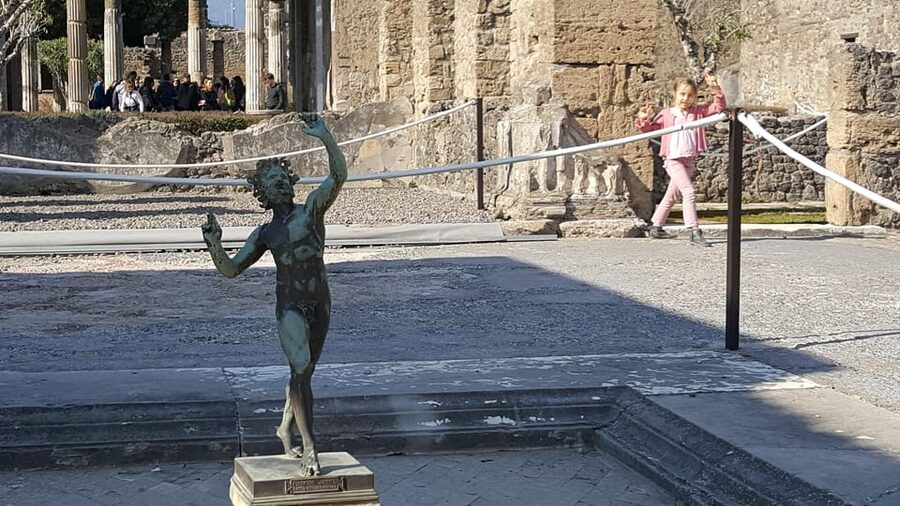
The Forum is the clearest example. This was the city’s major civic center, where people gathered, conducted public business, and encountered politicians. A guide can explain the Forum’s role instead of leaving you to admire its columns without context.
Expect stops for photographs and questions, but also expect to keep moving. The site is large, and guides need to balance explanation with distance. One well-received route lasted about two and a half hours in practice, but the advertised duration is two hours, so allow for some variation without building a tight connection immediately afterward.
How Much Pompeii Will You See?
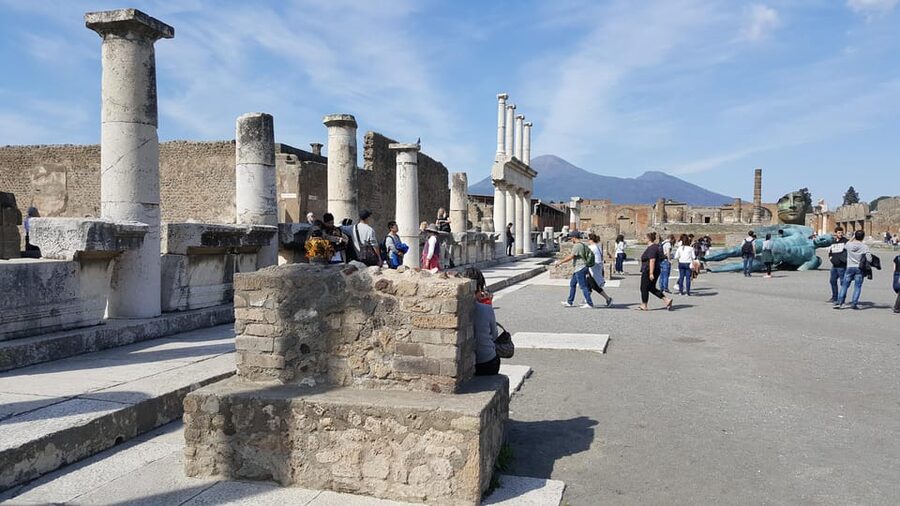
Pompeii is too large for a single short visit. One useful way to think about this tour is as an introduction that teaches you how to continue.
The guided route covers a selected portion of the city and focuses on major sights. Some people find two hours just right, especially in hot weather or with children. Families have found that lively guides can hold the attention of children from about 11 through the teenage years, while adults get solid historical context at the same time.
If you have already visited Pompeii, a guide can still add value. The ruins change meaning when you understand how to read the spaces. One repeat visitor found the guided visit far more rewarding than walking alone, while another guide helped the group understand how to interpret buildings during additional self-guided time.
After the tour, ask your guide what remains worth seeing. Guides have suggested further points of interest to people staying inside the site, and this advice can help you use your remaining time instead of wandering without a plan.
Is $105 a Fair Price?
At $105 per person, this is not the cheapest way to enter Pompeii. You are paying for admission, skip-the-line access, and roughly two hours of live English commentary from an archaeologist.
The price makes the most sense if you value interpretation and have limited time. A self-guided visit costs less, but you must handle the route yourself and may miss the meaning behind small details. Pompeii rewards preparation, and a strong guide can give you that preparation quickly.
I would be less enthusiastic about the price if you already have detailed archaeological knowledge, want to move at your own pace, or plan to spend a full day reading every sign and exploring every open building. In that case, a ticket-only visit may suit you better, perhaps with a guidebook or audio resource.
For a first visit, the value is stronger. The tour helps you avoid the entry queue, see key areas efficiently, and leave with enough context to continue on your own. The high overall rating of 4.9 from 467 reviews supports the idea that the guiding, rather than the ticket alone, is the product people find worthwhile.
Who Will Like This Tour Most?
I would choose this tour for a first-time visitor who wants Pompeii to make sense quickly. It is also a good match for families, couples, and history-minded people who prefer stories and discussion over reading every sign alone.
Families should especially consider it. Lello is repeatedly praised for drawing children into the subject with questions, humor, and energetic storytelling. That can make the difference between a child who sees only hot stones and one who starts asking how Roman people lived.
The tour also suits people arriving by train, since the archaeological site and meeting area are in Pompeii. Still, do not schedule your departure too tightly. A delayed train has caused some people to arrive late, and the agency has shown flexibility by moving them to a later tour when possible, but that should not be treated as guaranteed.
People with limited mobility should note the practical demands of the site. The supplied information specifically recommends comfortable shoes and bans strollers, luggage, and large bags. It does not provide detailed accessibility information, so ask the operator directly if you have mobility needs.
Free cancellation is available up to 24 hours before the start for a full refund, and you can reserve now and pay later. Those policies are useful if your Campania plans are still shifting.
What to Bring and What to Leave Behind
Keep your kit simple:
- Comfortable walking shoes
- Water
- Sunscreen
- A sun hat
- Identification for children
- The full names of all participants as shown on their IDs
Do not bring baby strollers, luggage, large bags, or umbrellas. The combination of uneven paving, strong sun, and a large open archaeological area means comfort matters more than style.
I would also avoid carrying anything you do not need. A light bag, if permitted under the site’s current rules, is easier to manage than a daypack packed for every possible situation. The stated restrictions are important, so check them before setting out.
Should You Book the Pompeii Archaeologist Tour?
Book it if you want the ruins explained rather than simply photographed. The archaeologist-led commentary, separate entrance, family-friendly tone, and practical advice for exploring afterward make this a strong first visit.
Skip it if you prefer a slow, private visit, already know the site well, or want to spend the whole day wandering without a fixed route. The $105 cost is considerable, and two hours covers only a small section of Pompeii.
For most first-time visitors, I think the guided option earns its price. Pompeii is too large and too layered to understand from a quick walk past the walls. A good guide gives you the tools to see the rest of the city with sharper eyes.
FAQ
Where does the Pompeii tour meet?
The guide waits at the entrance of Coffee Shop Vittoria, close to the Porta Marina Inferiore entrance to Pompeii.
How long does the tour last?
The stated duration is two hours. Some tour experiences have lasted around two and a half hours, so allow a little flexibility.
Is admission to Pompeii included?
Yes. Admission tickets to the archaeological site are included in the price.
Does the tour include skip-the-line entry?
Yes. The tour uses a separate entrance so you can avoid the standard long line.
What language is the tour in?
The live tour guide provides commentary in English.
Is hotel transportation included?
No. Hotel pickup and drop-off are not included. You need to make your own way to the meeting point.
What should I bring?
Bring comfortable shoes, a sun hat, sunscreen, and water. Children should have a passport or ID card.
Can I bring a stroller or large bag?
No. Baby strollers, luggage, large bags, and umbrellas are not allowed.
Can I cancel for a refund?
Yes. You can cancel up to 24 hours in advance for a full refund. Reserve now and pay later is also available.
More Skip the Line in Pompeii Archaeological Site
- Pompeii: Skip-the-Line Tour for Kids and Families
★ 4.9 · 72 reviews - Pompeii: Skip-the-Line Ticket and Virtual Museum
★ 4.5 · 66 reviews - Pompeii: Skip-the-Line Guided Archaeological Discovery Tour
★ 4.2 · 13 reviews - Pompeii: Skip-the-Line Entrance Ticket with Audio Guide
★ 4.0 · 2,509 reviews
Newest reviews from Pompeii Archaeological Site
- From Naples: Pompeii & Sorrento Shore Excursion with Lunch★ 5.0 · 6 reviews
- Pompeii 3-Hour Walking Tour★ 5.0 · 8 reviews
- From Sorrento: Pompeii and Vesuvius Tour by Express Train★ 4.0 · 12 reviews
- Pompeii: Skip-the-Line Guided Archaeological Discovery Tour★ 4.2 · 13 reviews
- 2-Hour Private Walking Tour of Pompeii★ 4.7 · 22 reviews
- Mount Vesuvius Wine Tasting and Lunch from Pompeii★ 4.3 · 43 reviews
- Pompeii: Skip-the-Line Ticket and Virtual Museum★ 4.5 · 66 reviews
- Pompeii: Skip-the-Line Tour for Kids and Families★ 4.9 · 72 reviews
Archaeologist-Led Tours, compared.

Entry Ticket and Guided Tour with an Archaeologist
Read our review →
Pompeii Small Group Tour with an Archaeologist
Read our review →
Pompeii and Herculaneum Small Group Tour with an Archaeologist
Read our review →
Skip the Line Guided Tour of Pompeii led by an Archaeologist
Read our review →
Exclusive Tour with Archaeologist and Entry Tickets
Read our review →
Pompeii Private Tour with an Archaeologist and Skip The Line – 3 hours
Read our review →
Pompeii Skip-the-line Tour with Archaeologist Guide
Read our review →Browse the lists this tour appears in