
Reviewed · 2-HOUR EXPERIENCES
2-Hour Private Tour of the Ruins of Herculaneum
Herculaneum gives you one of the clearest looks at daily Roman life anywhere in Italy. The volcanic burial preserved mosaic floors, painted walls, wooden objects, and food containers with a clarity that often feels more immediate than Pompeii. A private guide helps turn those ruins into a town of homes, shops, baths, and public buildings rather than a maze of old walls.
I especially like the compact two-hour route and the chance to see wealthy villas such as Villa dei Cervi. The reintroduced quince trees at the House of the Albergo also add an unusual human detail: archaeologists found carbonized roots showing what once grew there. The main drawback is price. At $167.66 per person, this is a costly visit if you are traveling alone or as a couple, and one guest felt the tour ended slightly short of the full two hours.
In This Review
- Key points to know before you book
- Why Herculaneum feels different from Pompeii
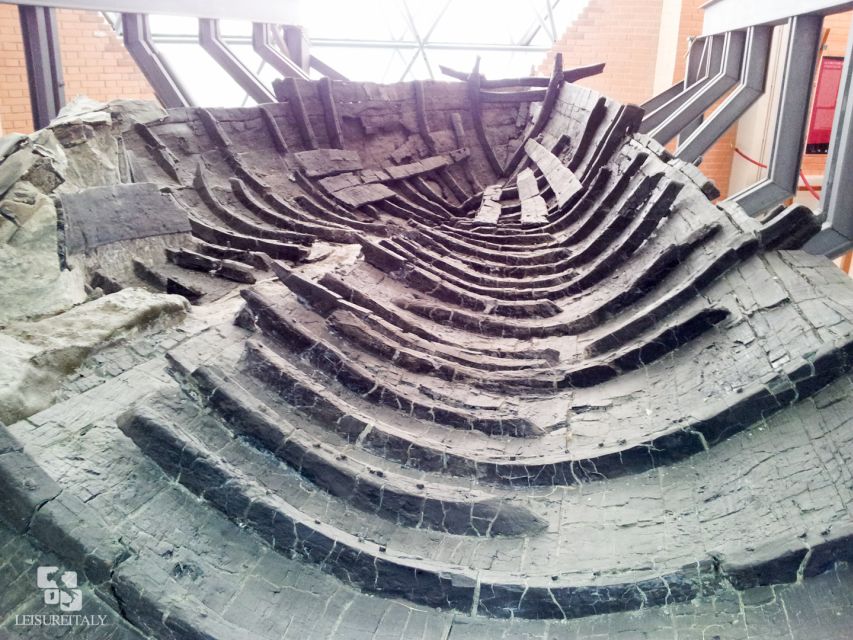
- Starting at the marina and the 300 skeletons
- The House of the Albergo and its quince garden
- Frescoes of Hercules in the Council Hall
- The House of Neptune and Amphitrite
- A carbonized shop with food and wine containers
- The ancient spa, from hot rooms to cold tubs
- Villa dei Cervi and Herculaneum’s wealthy residents
- What two hours can realistically cover
- Is $167.66 per person fair value?
- Practical advice for a smoother visit
- Who should book this private Herculaneum tour?
- Should you book it?
- FAQ
- How long does the Herculaneum tour last?
- Where does the tour begin?
- What is included in the price?
- Which languages are available?
- Can I bring luggage or a large bag?
- Is the tour suitable for wheelchair users?
Key points to know before you book
- See Herculaneum’s marina skeletons: About 300 human skeletons were found near the ancient waterfront, along with a boat displayed on weekends.
- Expect remarkable preservation: Mosaics, frescoes, food containers, and other objects survived beneath volcanic material from the eruption of 79 AD.
- Use the guide to connect the ruins: The private format lets you ask questions and focus on the buildings and stories that interest you most.
- Allow for a brisk route: Two hours covers the compact site well, but you may not have time for a slow look at every corner.
- Wear proper walking shoes: The tour is not suitable for wheelchair users or people with mobility impairments, and large bags are not allowed.
- Compare the cost with your group size: The price buys private attention and admission, but it makes more financial sense when shared among several people.
Why Herculaneum feels different from Pompeii
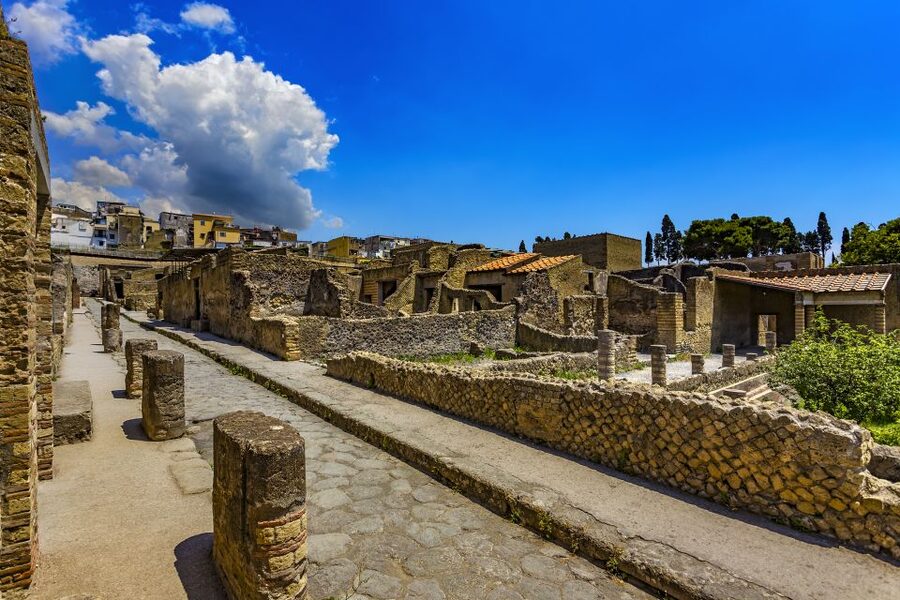
Herculaneum was a smaller Roman town than Pompeii, but its remains can feel more personal. The eruption buried it beneath layers of ash and volcanic material, leaving houses, shops, gardens, and public buildings in unusually good condition. The town was covered until its rediscovery in the 1700s, when the quality of the remains surprised the archaeological world.
I find the site easier to grasp than larger ancient cities because the streets and buildings sit within a relatively compact area. In two hours, you can move from a garden to a council hall, then to a bath complex and a grand villa without spending the whole visit simply trying to find your way.
The private guide matters here. Without help, you may notice a colorful wall or a patterned floor but miss what it tells you about Roman homes, trade, food, public life, and social rank. Your guide can explain the purpose of each building and answer questions as they come up, rather than leading you through a fixed speech meant for a large group.
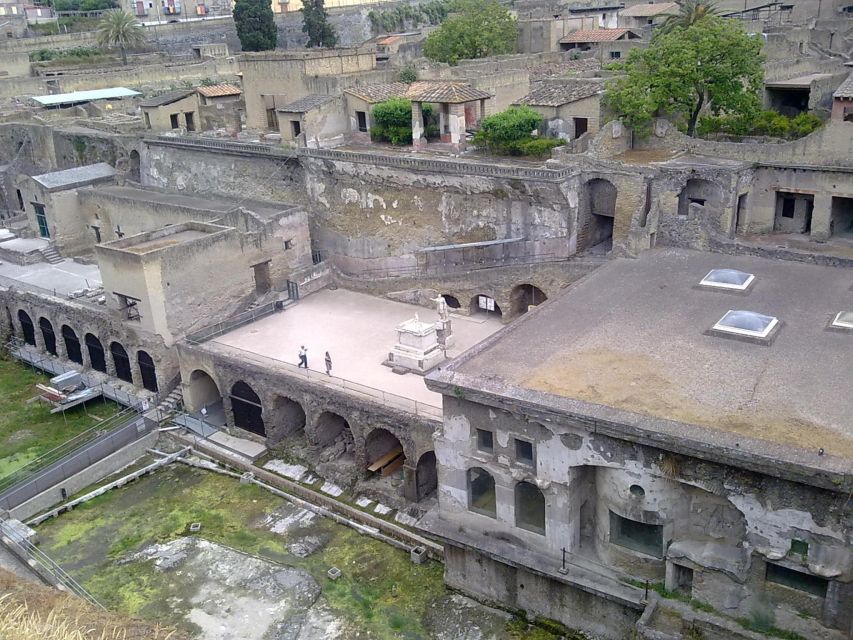
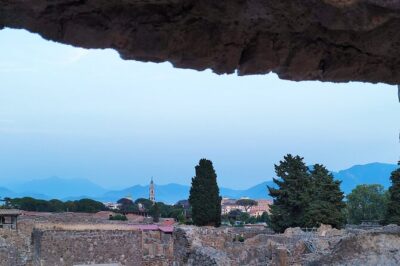
The site is also physically unusual. The ancient town lies at the bottom of an archaeological hole roughly 75 feet deep. From the modern entrance, you get a clear sense of how much volcanic material once covered the town. That change in level is part of the drama, but it also means uneven walking and some effort for anyone with limited mobility.
More Herculaneum excavation visits:
- Pompeii and Herculaneum Small Group Tour with an Archaeologist
★ 5.0 · 1,350 reviews - Pompeii: Small-Group Tour of Pompeii and Herculaneum
★ 4.8 · 867 reviews - Ercolano: Herculaneum Entry Ticket with Optional Audio Guide
★ 4.1 · 581 reviews
Starting at the marina and the 300 skeletons
Your guide meets you at the only ticket office in Herculaneum Archaeological Park, holding a sign with your name. Admission is included, and the tour offers skip-the-ticket-line access, which is useful when you want to make the most of a short visit.
The route begins near the ancient marina. This area brings the eruption’s human cost into sharp focus. Archaeologists found about 300 human skeletons here, along with a boat. The boat is displayed on weekends, so its availability depends on when you visit.
I think this is one of the most powerful parts of the experience, but it is not light sightseeing. The remains are a direct reminder that Herculaneum was not simply abandoned and preserved like a museum set. People were caught in a sudden disaster, and the waterfront shows how quickly ordinary life ended.
Your guide can help place the marina in the town’s layout and explain why people gathered there. This makes the stop more useful than simply looking at the skeletons and moving on. If you prefer ancient architecture and domestic life over tragic evidence, tell the guide early so the balance of the visit suits you.
The House of the Albergo and its quince garden
The House of the Albergo gives you a quieter stop. Its garden has been replanted with quince trees after archaeologists found evidence of carbonized roots from the ancient fruit trees. You are not just seeing a decorative modern garden. You are seeing an attempt to reconstruct part of the food-growing world that existed before the eruption.
This detail helps you picture Herculaneum as a living town. Roman houses were not only rooms with decorated walls. Gardens supplied produce, offered shade, and shaped the way people used their homes. The quince trees connect the preserved masonry to ordinary habits that otherwise vanish from the record.
I like this stop because it is easy to overlook such details when moving from one famous building to the next. A private guide can point out why a garden matters and how archaeological clues can reveal plants that no longer survive in their original setting.
Frescoes of Hercules in the Council Hall
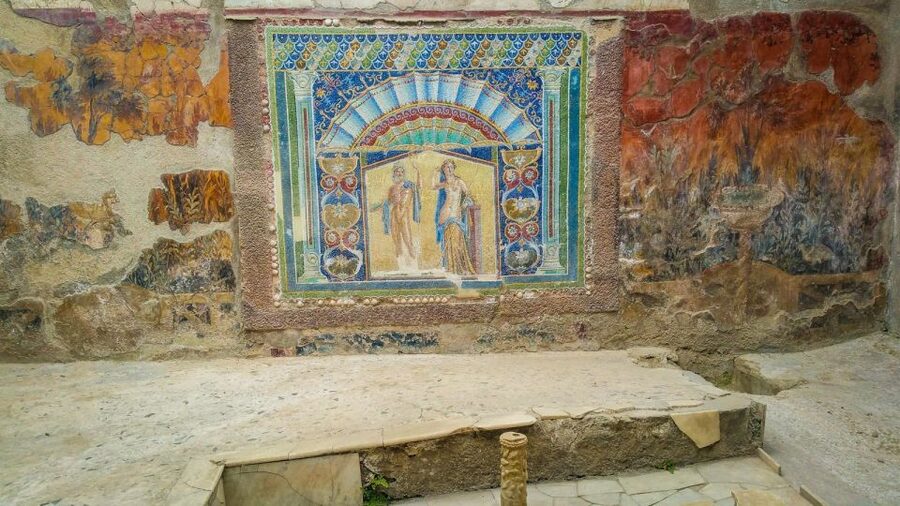
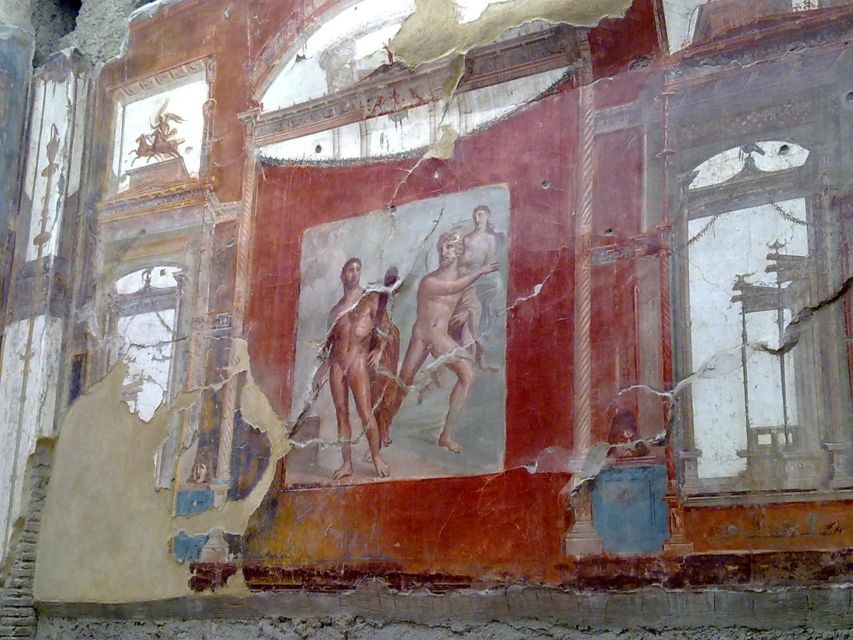
The Council Hall of the Augustali introduces another side of Herculaneum. This public building has frescoes showing Hercules, a figure closely tied to the town’s name and identity. The painted scenes are among the visual highlights of the route.
Here, your guide can explain the role of the Augustali and help you read the building as a civic and religious space. You get a better sense of how public life worked in Roman towns, where decorated halls carried social and ceremonial meaning.
The frescoes are also a good reminder of why Herculaneum deserves more than a quick stop between Naples and Pompeii. The town may be smaller, but the quality of the surviving decoration is striking. Painted walls remain vivid enough to show how much color ancient interiors once held.
More Herculaneum tours worth comparing
- Herculaneum 2-Hour Private Guided Tour
★ 4.9 · 139 reviews - Herculaneum: 2-Hour Skip-the-Line Tour from Sorrento
★ 4.0 · 46 reviews - Pompeii 2h Small-Group Tour with Expert Archaeologist
★ 5.0 · 385 reviews - 2 hours Pompeii Tour with Local Historian – Ticket Included
★ 5.0 · 335 reviews
The House of Neptune and Amphitrite
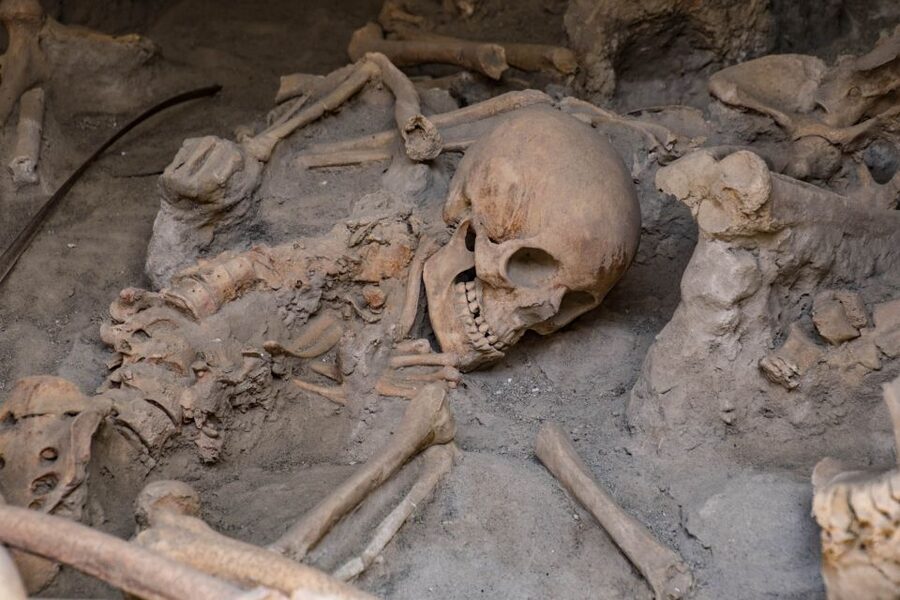
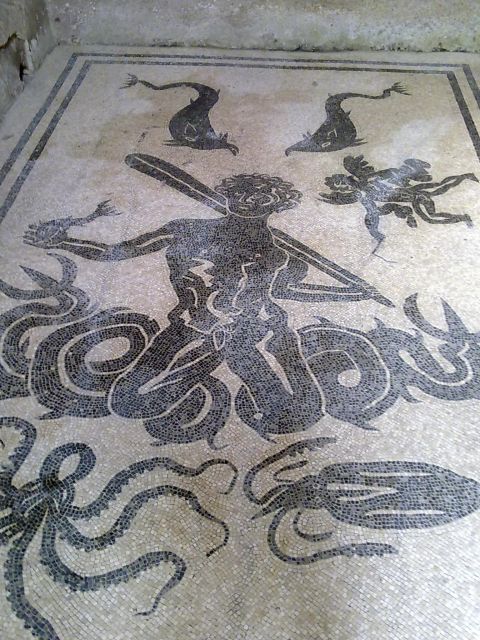
The House of Neptune and Amphitrite is one of the essential stops. Its mosaics are the main attraction, with patterned surfaces that show the care and expense invested in private Roman homes.
The name comes from the famous Neptune and Amphitrite mosaic. Your guide can help you identify the design and explain how the room may have functioned within the house. Look beyond the central image, too. The surrounding patterns and wall decoration show how Roman owners used repeated shapes, color, and mythological themes to signal taste and status.
This is where the private format earns its keep. You can pause at the details rather than being hurried along behind a large group. If you have an interest in Roman art, ask your guide to compare the mosaics with the frescoes and domestic spaces elsewhere on the route.
A carbonized shop with food and wine containers
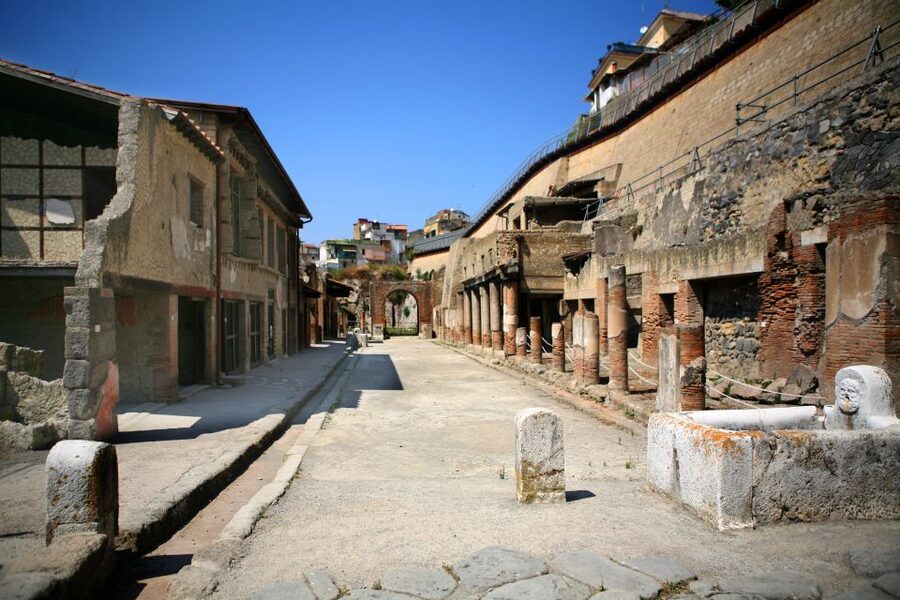
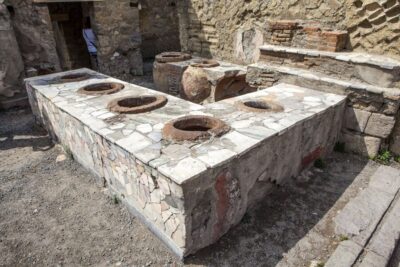
Next to the House of Neptune and Amphitrite is an ancient shop where food and wine containers still hang on the walls. The containers were carbonized by the volcano, preserving a direct link to trade and everyday meals.
This is one of the most readable parts of the town. A villa can show wealth, but a shop shows how people bought, stored, and sold goods. You begin to see Herculaneum not as a collection of grand residences but as a working community with commercial streets and practical needs.
The carbonized material also helps explain why Herculaneum can feel different from other Roman sites. The volcanic conditions preserved objects that normally disappear, including organic materials and household goods. I would pay close attention here, since a small shop can tell you as much about daily life as a larger decorated house.
The ancient spa, from hot rooms to cold tubs
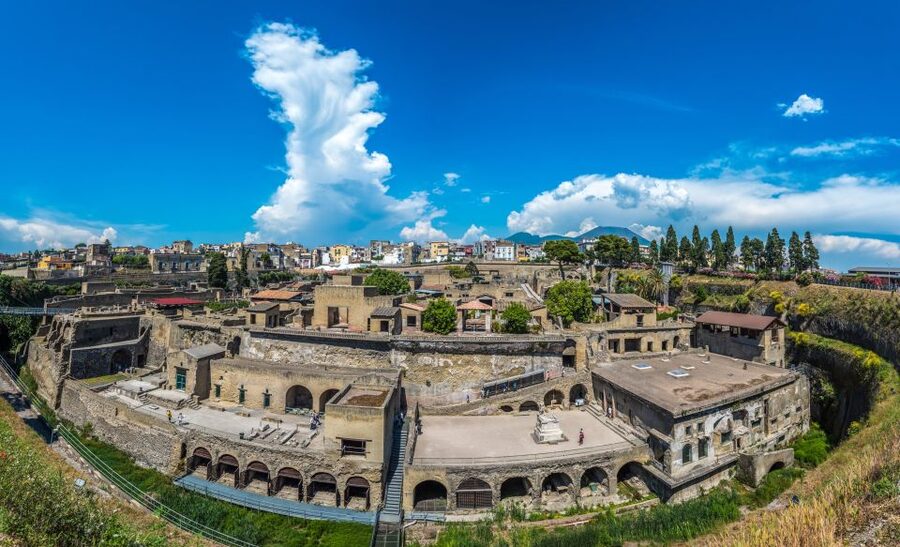
The ancient spa introduces Roman bathing culture. Its mosaics remain in place, and the complex included spaces associated with saunas, gyms, hot rooms, and cold tubs.
Roman baths were not simply places to wash. They were social spaces where people exercised, relaxed, and met others. The sequence of rooms also shows the Roman interest in controlled heat and cold, an impressive practical achievement for the period.
Your guide can point out how the rooms worked and how the mosaics fit into the overall design. I like this stop because it shifts the focus from private wealth to a shared part of urban life. It also gives you a clearer idea of how Roman public amenities shaped the rhythm of the day.
The floors can be uneven, and you will be on your feet for most of the visit. Comfortable shoes are essential. The tour is specifically not suitable for wheelchair users or people with mobility impairments, so assess the physical demands honestly before booking.
Villa dei Cervi and Herculaneum’s wealthy residents
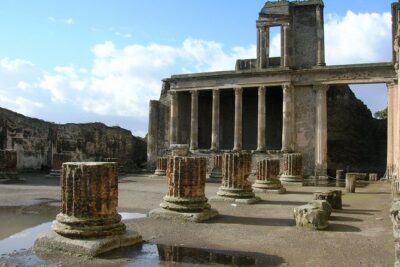
Villa dei Cervi is described as the most spectacular villa on the route. Its mosaics, frescoes, and statues show the money and artistic ambition of Herculaneum’s wealthiest citizens.
This is the place to study the contrast between ordinary town life and elite Roman living. The decorative program was not limited to one attractive floor. Mosaics, painted walls, and sculpture worked together to create an impressive setting for domestic life and entertaining.
I would save enough energy for this stop. The earlier houses and shops build your understanding of Herculaneum, while Villa dei Cervi gives you the grand finish. Ask your guide to point out how the villa differs from the more modest homes you have already seen. The comparison makes the luxury easier to understand.
A short tour cannot give every room equal attention. If Villa dei Cervi is your priority, say so at the start. The same applies to the mosaics, the baths, or the marina. A private guide can usually shape the emphasis better than a standard group visit.
What two hours can realistically cover
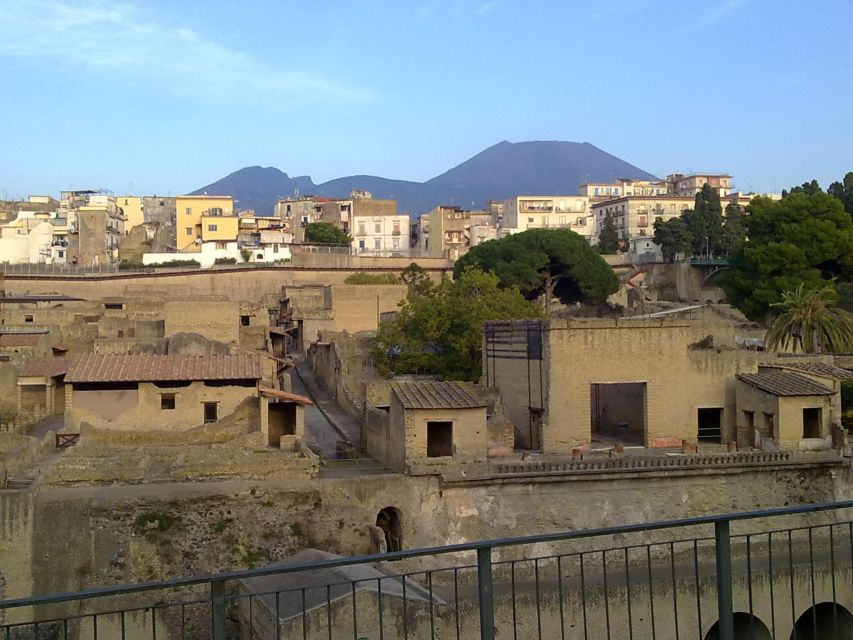
Two hours is a sensible length for a first visit because Herculaneum is compact. One person who combined Pompeii in the morning with Herculaneum in the afternoon found the pairing useful for comparing the two sites, and the shorter afternoon tour made that plan possible.
I would not treat the tour as a complete study of every accessible building. The route covers the major sights, but the pace has to remain steady. One guest felt the visit lasted less than two hours, so if you are paying close to $168 per person, confirm the planned start and finish time with your guide and arrive ready to begin.
The compact layout is a real advantage. You can see several different kinds of Roman spaces in one session: waterfront remains, a garden, a public hall, a decorated house, a shop, a bath complex, and an elite villa. That variety makes the two hours feel full rather than repetitive.
If you have already visited Pompeii, Herculaneum works well as a contrast. Pompeii offers a larger urban area, while Herculaneum gives you especially strong preservation and a more concentrated route. If you only have time for one site, your choice depends on whether you want scale or intimate detail.
Is $167.66 per person fair value?
The $167.66 price includes admission and a private guide. That is expensive compared with entering the archaeological park alone, but the comparison is not quite equal. You are paying for a focused explanation, route planning, language support, and the ability to ask questions without waiting for a group to catch up.
The value improves when several people share the booking. A family or small group can split the cost while keeping the private format. For one or two people, the price requires more thought. I would book it if you care about Roman history, want strong context, or have limited time and do not want to wander without knowing what you are seeing.
The tour is offered in English, Spanish, French, and Italian. That language choice can make a major difference at a site where much of the meaning comes from small details. The guide’s role was praised for clear explanations, professional conduct, and help with an issue at the end of the visit.
The one value concern is duration. The advertised length is two hours, but one experience felt shorter to a participant. That does not erase the benefits of a private tour, but it is worth considering when comparing the cost with a longer group option or a self-guided visit.
Practical advice for a smoother visit
Meet at the archaeological park’s only ticket office. Your guide will hold your name on a sign, so look for that rather than trying to find a guide inside the ruins.
Wear comfortable shoes. You will walk through an exposed archaeological site with uneven surfaces, and the route is not suitable for wheelchair users or people with mobility impairments.
Leave luggage and large bags elsewhere. They are not allowed on the tour, and carrying extra weight would make the ancient streets less comfortable anyway.
The first Sunday of each month has free entrance, but tickets cannot be reserved ahead of time and entry is not guaranteed. I would not choose that day if you have fixed plans or a train to catch.
The tour ends back at the meeting point. Cancellation is free up to 24 hours before the scheduled visit, and you can reserve now while paying later, which helps if your Campania plans are still changing.
Who should book this private Herculaneum tour?
I would recommend it to anyone who wants the main sights explained in a short, organized visit. It suits first-time visitors, families who need a manageable route, and people who want to compare Herculaneum with Pompeii on the same day.
It is also a good match for anyone drawn to domestic details: gardens, shops, food containers, baths, mosaics, and frescoes. The guide can make those small clues meaningful and help you see how Romans lived rather than only how their buildings looked.
I would hesitate if you are on a strict budget, need a fully accessible route, or want several hours to explore at your own pace. The private format costs more, and the two-hour schedule leaves limited time for lingering.
Should you book it?
Book this tour if you want a well-explained introduction to Herculaneum and value private attention more than the lowest possible price. The marina skeletons, quince garden, carbonized shop goods, ancient baths, and Villa dei Cervi create a varied route, while the compact site keeps the visit focused.
Skip it if you prefer self-guided archaeology or need a longer, slower exploration. For most visitors with only a few hours, though, the guide adds real value. Just wear good shoes, leave your bags behind, and confirm the timing if the price makes a full two-hour visit important to you.
FAQ
How long does the Herculaneum tour last?
The tour is scheduled for two hours. One participant felt that the actual visit ended slightly short of two hours, so confirm the timing with your guide if you have a tight schedule.
Where does the tour begin?
The guide meets you at the only ticket office in Herculaneum Archaeological Park and holds a sign with your name.
What is included in the price?
The price includes a private guide and admission to the archaeological park.
Which languages are available?
The live guide service is available in English, Spanish, French, and Italian.
Can I bring luggage or a large bag?
No. Luggage and large bags are not allowed, so make arrangements to leave them elsewhere before the tour.
Is the tour suitable for wheelchair users?
No. The activity is not suitable for wheelchair users or people with mobility impairments. Comfortable shoes are recommended.
Newest reviews from Herculaneum
- Pompeii, Herculaneum & Wine Tour, with Licensed Guide included★ 5.0 · 5 reviews
- The charm of Pompeii and Herculaneum.Private Tour with Official Guide★ 5.0 · 6 reviews
- Herculaneum: Half-Day Guided Trip from Naples★ 4.2 · 6 reviews
- Pompeii Herculaneum★ 5.0 · 7 reviews
- Private Tour Pompeii and Herculaneum★ 4.5 · 7 reviews
- Skip the line Ticket Herculaneum Guided Tour 4 hrs★ 5.0 · 8 reviews
- Pompeii-Herculaneum and Vesuvius Full-Day Tour★ 3.8 · 8 reviews
- Private Pompeii and Herculaneum with Wine Tasting – Full Tickets★ 5.0 · 8 reviews
2-Hour Experiences, compared.
Pompeii 2h Small-Group Tour with Expert Archaeologist
Read our review →
2 hours Pompeii Tour with Local Historian – Ticket Included
Read our review →
2 Hour Private Tour with an Archeologist Guide
Read our review →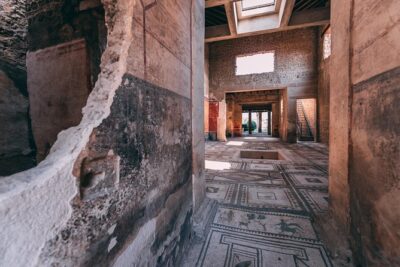
Pompeii 2-hour Private Tour with an Archaeologist-Ticket included
Read our review →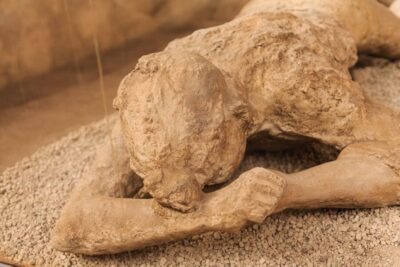
Browse the lists this tour appears in