Reviewed · PASTA
Sorrento: Pasta and Tiramisu Class at a Local’s Home
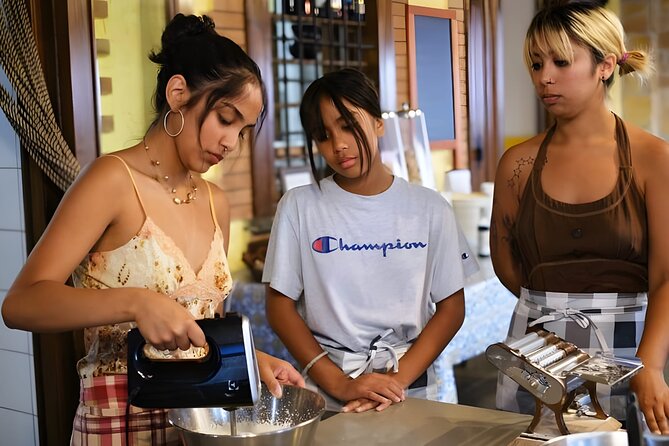
The best part of this Sorrento cooking class is that you do not learn Italian food in a restaurant kitchen built for tourists. You work in a local family home, often with a host such as Laura, Alessandra, Martina, Clara, or Francesca, and prepare a meal around the same table where family life happens.
I like the hands-on format: you make two pasta dishes and tiramisu, rather than watching someone else cook. I also like the warm social setting, with prosecco, antipasti, local wine, coffee, and plenty of time to talk. The main consideration is that the exact host, address, menu, and setting are confirmed only after booking, so the experience can vary from one home to another.
In This Review
- Key points to know
- Cooking pasta in a Sorrento home
- From prosecco and antipasti to dessert
- The hosts are part of the experience
- What you actually learn
- The meal is part of the lesson
- Views, gardens, and family stories
- Is $134.81 a fair price?
- Timing, meeting point, and dietary needs
- Who will enjoy this class most?
- Should you book the Sorrento pasta class?
- FAQ
- How long does the Sorrento pasta and tiramisu class last?
- What dishes will I prepare?
- Are drinks included?
- Where does the class take place?
- What time does the class usually start?
- Is the class suitable for children?
- Can dietary requirements be accommodated?
- What languages are available?
Key points to know

- You make three dishes from scratch: Two pasta recipes and tiramisu form the main lesson.
- The class takes place in a private home: Your host’s address and meeting instructions arrive after booking.
- Expect a full meal, not just a lesson: Prosecco, nibbles, wine, water, coffee, and your finished dishes are included.
- The hosts add a personal touch: Some families offer garden produce, family recipes, photos, or a look around the property.
- The timing is flexible: Sessions usually begin around 10:00 AM or 5:00 PM, with other times possible by advance request.
- It suits families: Children of all ages can take part, and dietary needs can be discussed with the organizer.
Cooking pasta in a Sorrento home
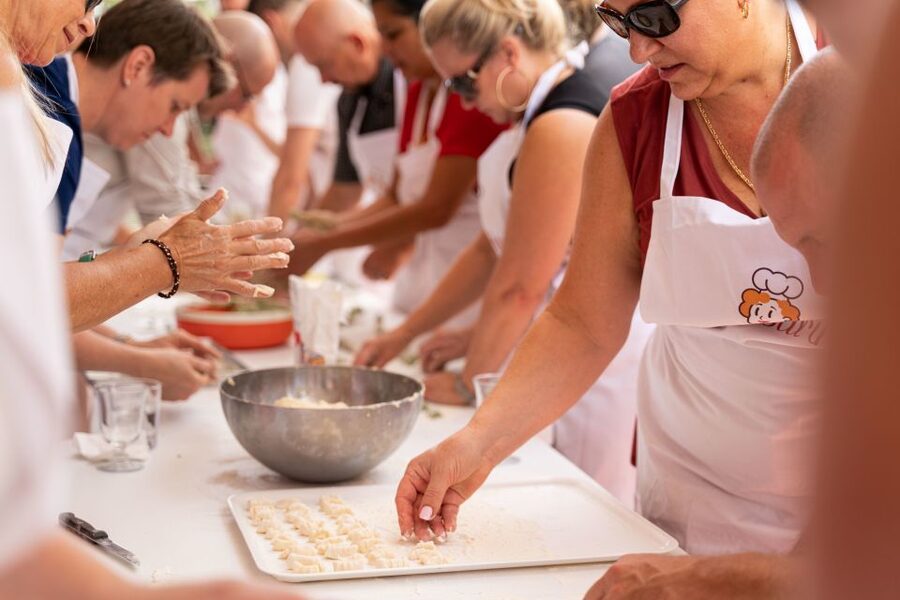
This is the kind of class that makes sense in Campania, where food is closely tied to family routine. You are not simply handed a plate of pasta and told it is traditional. You handle the ingredients, follow the technique, and sit down to eat what you made.
The exact menu can vary, but the class includes two iconic pasta preparations and tiramisu. Past classes have included gnocchi, ravioli prepared in two ways, and a pasta dish with local ties to Sorrento. That variety is useful. You learn more than one shape or sauce, and you can compare different methods during the same three-hour session.
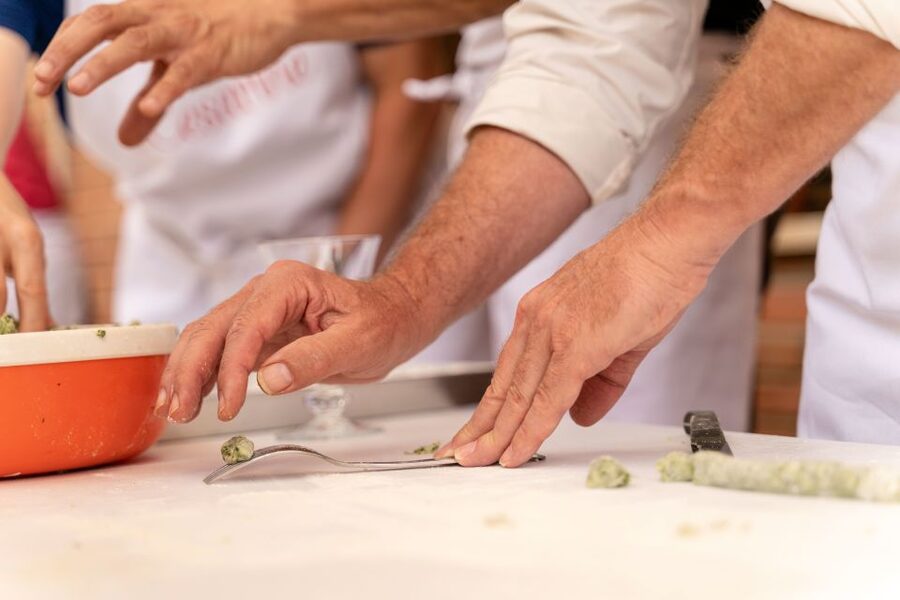
Your host takes you through the work step by step. That can include mixing and shaping pasta, rolling dough, forming gnocchi, preparing fillings, and assembling tiramisu. You should expect to participate rather than stand at the counter taking notes. The aim is to send you home with techniques you can repeat for friends and family.
The lesson is conducted in English or Italian. Some hosts work with a family member who helps translate, as Rubina did for Alessandra’s class. That can add a relaxed, family feel, though the amount of English support may differ from one host to another.
More Sorrento tours worth comparing
- Sorrento: Pasta and Tiramisu Cooking Class with Wine
★ 4.8 · 597 reviews - Cooking class with Pasta, mozzarella and Tiramisu with wine
★ 5.0 · 549 reviews - Pasta & Traditional Sorrento Cuisine with Pickup – 100% Hands On
★ 5.0 · 393 reviews
From prosecco and antipasti to dessert
The class usually begins with an Italian aperitivo. You may be offered prosecco and small bites before the cooking starts, with past examples including meats, cheeses, and other antipasti. This is not just filler before the lesson. It gives you time to settle in, meet your host, and get comfortable in a private home.
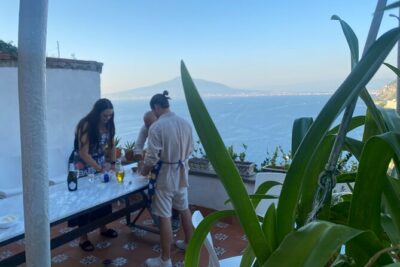
Some hosts serve the aperitivo on a balcony or terrace. Alessandra’s home, for example, has been described with views toward Mount Vesuvius, while other homes sit among lemon groves, orchards, gardens, or hillside farmland. The views are a welcome bonus, but they are not guaranteed for every booking. The host and home are assigned as part of the local family network, so the setting can differ.
Once the food is ready, you sit down for a proper lunch or dinner. Water, wine, and coffee are included, along with the earlier prosecco and nibbles. In some homes, you might also be offered a local after-dinner drink such as homemade limoncello. That last detail is host-specific, so consider it a possible extra rather than a promised part of the program.
This progression matters. You are not rushing through a recipe, eating quickly, and leaving. The aperitivo, cooking, and meal together fill roughly three hours and create a more natural evening or midday visit.
The hosts are part of the experience
The food matters, but the people are what make this class feel different from a standard culinary school. You are welcomed into a home, introduced to family members, and given a glimpse of how food is handled outside a commercial kitchen.
Several hosts appear repeatedly in the experience descriptions. Laura has taught alongside family members including her children, and visitors have described her home as warm and welcoming. Martina teaches on a family farm surrounded by lemon groves, with produce from the property used in the meal. Alessandra has hosted in a home with broad views, sometimes with Rubina helping with translation.
Clara’s approach has focused on careful explanations of ingredients and cooking methods. Francesca has worked with younger participants and adjusted dishes for dietary restrictions. These examples show why the class is not completely uniform. The quality of the format is consistent, but the personality, kitchen, garden, and menu depend on your assigned Cesarina.
That variation is a strength if you want a personal encounter rather than a polished show. It can also be a minor drawback if you have your heart set on a particular host or view. You cannot choose the exact home from the information provided, and the full address is sent only after booking.
What you actually learn
The class is designed to give you practical cooking skills, not just a pleasant meal. You learn how to prepare two pasta recipes and tiramisu from the beginning, with your host explaining the small choices that affect the final result.
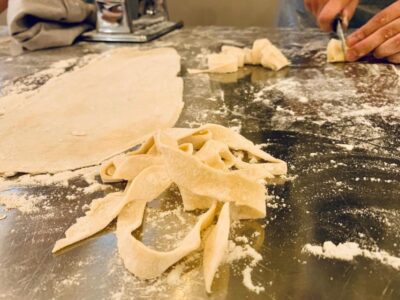
Pay attention to the hands-on parts. Rolling dough, shaping gnocchi, filling ravioli, and layering tiramisu are simple tasks in theory, but technique matters. The hosts explain how to work with the ingredients and how to organize the recipe. Those small lessons are the part you can carry home.
The recipes come from family cookbooks and local traditions. That gives the food a stronger connection to Sorrento than a generic pasta workshop. You may also hear about local ingredients and family methods as you cook. Some hosts use fruit, lemons, grapes, figs, or other produce from their gardens and farms, though the ingredients will vary by home and season.
You should bring a little curiosity and patience. Fresh pasta is hands-on work, and the pace is social rather than rushed. If your priority is a formal technical course with exact measurements, professional equipment, and a fixed syllabus, this may feel informal. If you want to learn enough to recreate a good Italian meal at home, the format is well suited.
A completely different way to spend a day in Sorrento:
- Pompeii: Entry Ticket and Guided Tour with an Archaeologist
★ 4.8 · 19,459 reviews - Pompeii: Entry Ticket with Optional Audio Guide
★ 4.2 · 12,360 reviews - Pompeii: Small Group Tour with an Archaeologist
★ 4.8 · 12,264 reviews - Pompeii Small Group Tour with an Archaeologist
★ 5.0 · 6,593 reviews
The meal is part of the lesson
After the cooking, you eat the food you prepared. This is where the class pays off. You get to taste the pasta immediately, see how the texture turned out, and compare your finished dishes with the methods you just practiced.
The meal can include a starter, fresh pasta, and tiramisu. One family class included a full Italian meal with an antipasto, fresh pasta, and dessert. Another included ravioli, gnocchi, tiramisu, wine, coffee, and homemade limoncello. These details are examples of what a host may add, not a fixed promise for every session.
I like this format because it avoids the common problem with short cooking classes: you spend an hour preparing food, then receive only a token taste. Here, the meal is the natural finish, and the included drinks make it feel closer to being invited to dinner than attending a demonstration.
The table setting can also be memorable. Hosts have prepared family dining rooms, decorated tables, and small personal touches for special occasions. One family even prepared Thanksgiving cards and coloring materials for a child. Those gestures cannot be guaranteed, but they show the level of care that is possible in this home-based format.
Views, gardens, and family stories
The homes add a sense of place that a central cooking studio may not provide. Depending on your host, you might see a balcony with views toward Mount Vesuvius, a garden full of lemons and grapes, an orchard, or a family farm above Sorrento.
Some hosts have taken time to show visitors around their gardens after dinner. That is especially appealing if you want more than recipes. You may learn how local families use their land, how produce reaches the kitchen, and why lemons are so closely linked with the Sorrento area.
Keep expectations sensible. The experience is sold as a cooking class in a local home, not as a guaranteed farm visit or sightseeing excursion. A scenic terrace or garden may be part of your setting, but it depends on the assigned family. The central promise is the meal and the lesson.
The home setting also means you should behave as you would at a private dinner. Be respectful of the space, follow your host’s instructions, and remember that the atmosphere is personal rather than commercial.
Is $134.81 a fair price?
At $134.81 per person, this is not a bargain meal. You could eat pasta in Sorrento for less, especially if you choose a simple restaurant. The price makes more sense when you count the three-hour lesson, the two pasta dishes, tiramisu, aperitivo, wine, coffee, and the social experience of being welcomed into a family home.
You are also paying for a meal you help create and recipes you can use later. If you return home and make ravioli, gnocchi, or tiramisu for your family, the class keeps providing value after your holiday ends.
The strongest value comes for couples, families, and small groups who enjoy food as an activity. It is less compelling if you only want a quick meal, dislike shared kitchen work, or prefer a fixed menu and a professional school environment.
The very high rating of 4.9 from 158 reviews supports the idea that the format works well for many people. Still, a rating cannot tell you exactly which home you will visit or which host will teach you. Book this for the personal setting and practical cooking, not because you expect an identical experience to someone else’s.
Timing, meeting point, and dietary needs
Sessions generally begin at about 10:00 AM or 5:00 PM. A morning start works well as a lunch activity, while the evening option leads naturally into dinner. Other starting times can be arranged with advance notice, so ask before booking if your day does not fit those usual slots.
The class begins and ends at the meeting point. Because it takes place in a private family home, you do not receive the exact address at the start of your trip. After booking, the local partner contacts you with the host’s address and precise instructions.
That arrangement protects the family’s privacy, but it means you should not plan your route until you have received the details. Give yourself time to find the home, especially if the address is outside the main center or on a hillside.
Dietary requirements can be accommodated, but they must be confirmed directly with the organizer after booking. Do not wait until you arrive. Tell the organizer clearly what you cannot eat and ask what the host can prepare.
Who will enjoy this class most?
This is a strong choice for families with children, couples celebrating a honeymoon, and anyone who wants an evening with real local contact. Children of all ages are welcome, and cooking gives younger visitors something active to do. The class can also work well for a larger family group, provided the booking arrangement suits the number of participants.
It is especially good for people who want to recreate what they eat in Italy. The recipes, hands-on practice, and family explanations give you more to take home than a restaurant meal.
You should think twice if you need a guaranteed location, a particular menu, or a tightly timed professional course. You may also prefer another activity if you are uncomfortable entering a private home. The organizers provide the address after booking, but the nature of the experience remains personal and home-based.
Should you book the Sorrento pasta class?
Book it if you want a meal, a lesson, and a friendly look at family life in Campania all at once. The best parts are the hands-on pasta work, the homemade tiramisu, the shared table, and the chance to learn from hosts such as Laura, Martina, Alessandra, Clara, or Francesca.
I would choose the evening session for a relaxed dinner, or the morning session if you want the rest of your day free. Confirm dietary needs early, wait for the exact address before planning transport, and remember that the host and home can vary.
At $134.81, the value depends on your interests. For a simple meal, it is expensive. For three hours of cooking, drinks, a full lunch or dinner, family recipes, and a story to take home, it is a fair splurge in Sorrento.
FAQ
How long does the Sorrento pasta and tiramisu class last?
The experience lasts three hours.
What dishes will I prepare?
You will prepare two pasta recipes and tiramisu from scratch. The exact pasta dishes can vary by host, with examples including gnocchi and ravioli.
Are drinks included?
Yes. Water, wine, coffee, prosecco, and aperitivo nibbles are included.
Where does the class take place?
The class takes place in a local family’s home. The full address and meeting instructions are provided after booking.
What time does the class usually start?
The dining typically begins at 10:00 AM or 5:00 PM. Other times may be possible with an advance request.
Is the class suitable for children?
Yes. The experience is suitable for families with children of all ages.
Can dietary requirements be accommodated?
Different dietary requirements may be accommodated, but you must confirm them directly with the service organizer after booking.
What languages are available?
Instruction is available in English and Italian.
Newest reviews from Sorrento
- Private Stress-Free Tour from Sorrento: Ischia Island & Tastings★ 5.0 · 4 reviews
- Tour in the ruins of Pozzuoli with an archaeolgist.★ 5.0 · 4 reviews
- Vico Equense: Authentic Cooking Class at a Local’s Home★ 5.0 · 4 reviews
- Lemon Experience with Limoncello demonstration★ 5.0 · 4 reviews
- Path of the Lemons★ 5.0 · 4 reviews
- Private Tour Pompeii and Winery★ 5.0 · 4 reviews
- Positano Private Tour By Night from Sorrento★ 5.0 · 4 reviews
- Walking Secret Food Tours Sorrento with tastings★ 4.5 · 4 reviews
Pasta, compared.
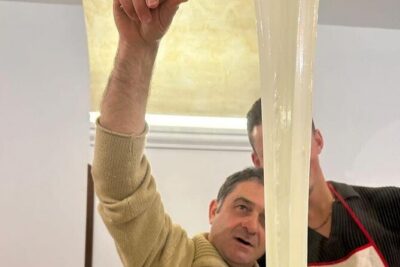
Cooking class with Pasta, mozzarella and Tiramisu with wine
Read our review →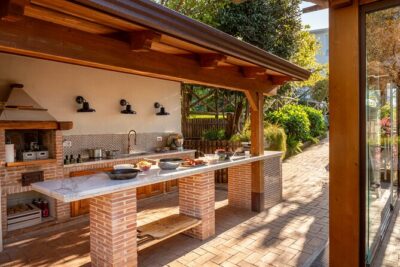
Pasta & Traditional Sorrento Cuisine with Pickup – 100% Hands On
Read our review →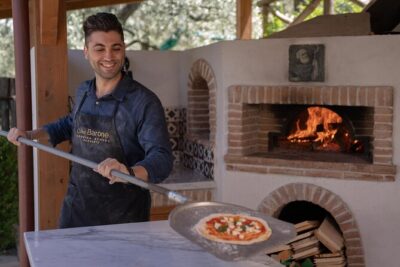
Pasta and Pizza Master Class with Pick Up in Sorrento
Read our review →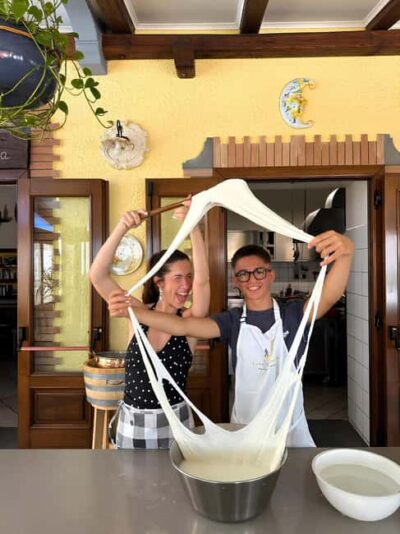

Cooking Class with Pasta, Mozzarella, and Tiramisù
Read our review →