
Reviewed · SORRENTO WINE TASTINGS
Tramonti: Tenuta San Francesco Wine Tasting
The best part of this Tramonti visit is the link between old and new. You walk through an 18th-century estate and a 17th-century wine cellar, then see the modern equipment used to make wines from three historic local families: Bove, D’Avino, and Giordano. It gives you more than a glass of wine with a view.
I like the personal scale of the visit and the generous local-food pairing. I also like that the tour places wine in its setting, among the Monti Lattari Park and an 8.5-hectare vineyard. The one consideration is that the vineyard walk may feel brief if you want a long outdoor tour.
In This Review
- Key points to know before booking
- Why Tramonti wine feels different from a standard tasting
- Walking through the 8.5-hectare vineyard
- The Di Palma estate and its older buildings
- Seeing modern winemaking equipment in the cellar
- Three wines from Bove, D’Avino, and Giordano
- Panzanella, mozzarella, cheeses, ricotta, and salami
- Is $82 a fair price for two hours?
- Who will enjoy this visit most?
- Practical timing and planning advice
- Should you book Tenuta San Francesco?
- FAQ
- Where does the Tenuta San Francesco wine tasting take place?
- How long does the activity last?
- How much does the experience cost?
- How many wines are included?
- What food comes with the wine tasting?
- Is a guided tour included?
- In which languages is the tour offered?
- Is transportation to the winery included?
- Can I cancel the booking for a refund?
- Can I reserve now and pay later?
Key points to know before booking
- Three local wine names: Taste wines connected with the Bove, D’Avino, and Giordano families.
- Old cellar, modern production: See a 17th-century wine cellar alongside contemporary winemaking equipment.
- A proper local snack spread: Panzanella comes with fresh tomatoes and basil, plus mozzarella, ricotta, aged cheeses, and salami.
- Family-owned setting: The estate belongs to the Di Palma Family and offers a close look at local wine culture.
- Two-hour format: The visit is easy to fit into an Amalfi Coast day, though transportation to the winery is not included.
- English or Italian guiding: You can choose a tour led in either language, subject to availability.
Why Tramonti wine feels different from a standard tasting
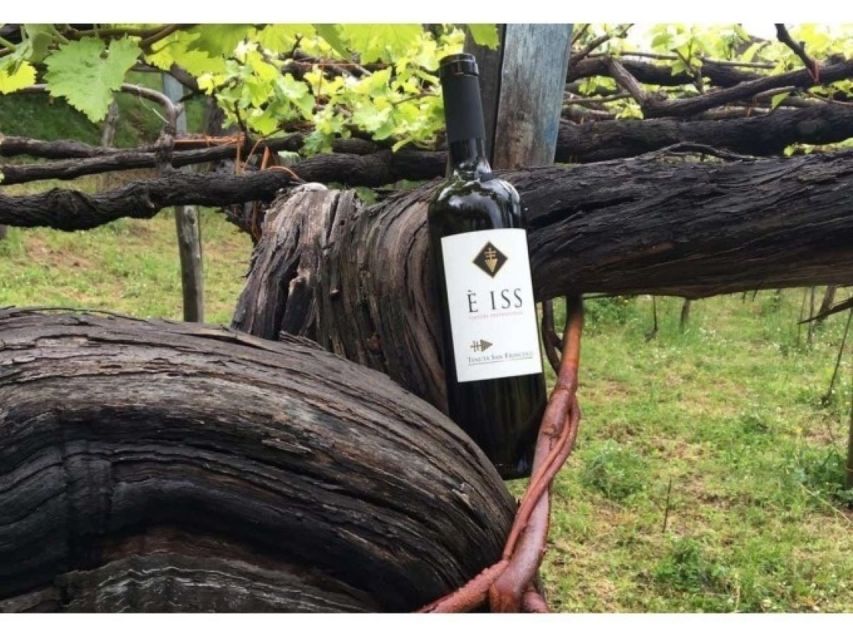
Tramonti gives this outing a useful sense of place. The town sits in the Monti Lattari area, away from the Amalfi Coast’s most crowded waterfront stops, and Tenuta San Francesco lets you connect the wine to the hills where it is produced.
That matters because wine tasting can otherwise become a parade of labels and tasting notes. Here, you get a look at the land, the family names behind the grapes, the cellar, and the methods used to turn fruit into wine. You do not need to be a wine expert to appreciate that progression.
The estate produces wine from grapes associated with three local historical families: Bove, D’Avino, and Giordano. These are not presented as anonymous regional bottles. The family names give the tasting a local thread, and they help you understand that Amalfi Coast wine is tied to small-scale traditions as much as to the finished drink.
The natural setting also adds something. The tour takes place around Monti Lattari Park, so the surroundings are part of the visit even when you are inside the winery. If you have spent your day moving between busy coastal towns, Tramonti offers a quieter change of pace.
More Sorrento wine tastings worth an afternoon:
- Sorrento Farm and Food Experience including Olive Oil, Limoncello, Wine tasting
★ 5.0 · 2,524 reviews - Naples: Pompeii and Mt. Vesuvius with Lunch and Wine Tasting
★ 4.5 · 2,454 reviews - Pompeii Tour & Lunch with Wine Tasting Experience
★ 5.0 · 383 reviews
Walking through the 8.5-hectare vineyard
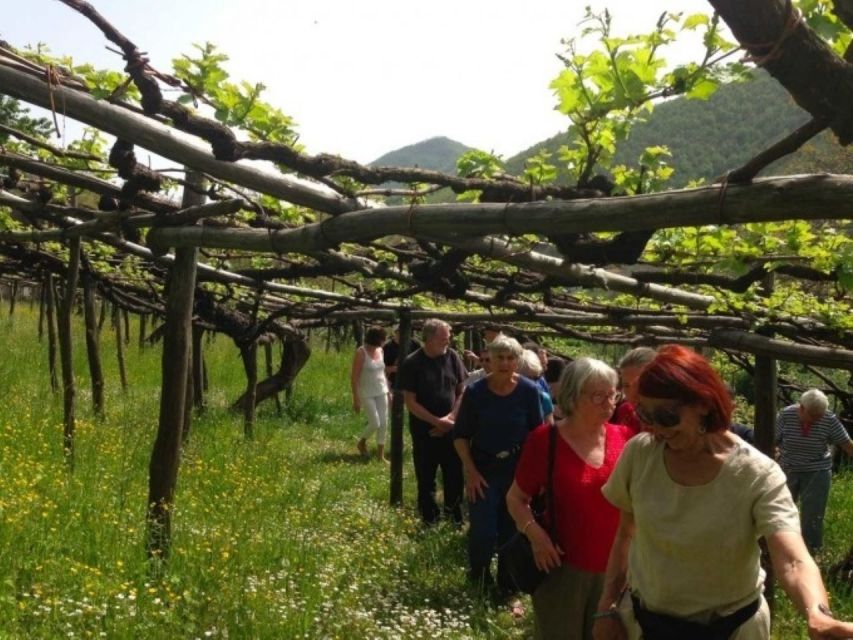
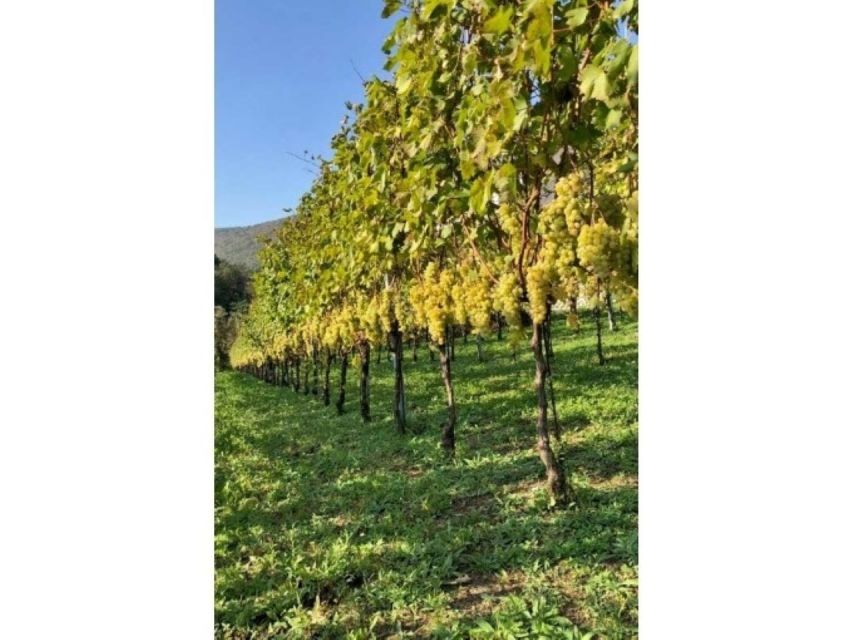
The vineyard extends across about eight and a half hectares, giving the property a substantial agricultural footprint. Your guided visit includes the winery grounds and an introduction to the way local viticulture works.
I would set your expectations correctly here. This is not described as a long vineyard hike or a full-day agricultural tour. One point to keep in mind is that the walk through the vines may feel limited if your main goal is to spend most of the two hours outdoors.
Still, the vineyard matters because it gives context to the wines in your glass. You can see that the estate is not simply a tasting room detached from production. The property is tied to growing grapes, making wine, and preserving the names of local families.
Your guide explains the area’s particular approach to viticulture as you move through the grounds. The value is in the connection between the growing area and the cellar. You are not just told that the wines are local. You are shown the setting where the story begins.
The tour is likely to suit you best if you enjoy a mix of scenery, food, and explanation. If you want a technical vineyard study with extended time among the vines, you may find the outdoor section too short.
The Di Palma estate and its older buildings
The estate belonging to the Di Palma Family adds a layer of age to the visit. You explore an 18th-century property before entering the older wine cellar, which dates to the 17th century.
Those dates are not just decoration. They help you see how wine production in the area has changed over time. The buildings connect the present winery to an older agricultural tradition, while the modern equipment shows that the operation is not frozen in the past.
I like this balance. Some winery visits lean entirely toward heritage, with old rooms and family stories but little explanation of current production. Others focus on equipment and make the place feel like a factory. Tenuta San Francesco gives you both sides in a short visit.
The historic buildings also give the tasting more atmosphere than a simple table in a modern restaurant. You enter the 17th-century cellar for the wine portion of the tour, so the final tasting takes place in a setting tied directly to the estate’s past.
Do not expect a museum tour with a long list of architectural details. The emphasis is on wine culture and production. The estate is important because it frames the visit, not because you are signing up for a formal study of the building.
Seeing modern winemaking equipment in the cellar
After the grounds and historic spaces, the tour explains how the wine is made using modern equipment. This is one of the most useful parts for anyone who wants to understand what happens between vineyard and tasting glass.
You can see how a historic winery continues to produce wine today. That contrast is practical: the old cellar shows continuity, while the modern equipment shows the working methods behind the current bottles.
The guide leads you through the production side rather than leaving the wine as a mystery. You learn about the local viticulture and get an introduction to the production process before tasting the result.
The information is designed for a general audience. You do not need prior wine knowledge, and the tour does not require you to memorize technical terms. Pay attention to the family names and the stages of production, since those details give you a better way to remember what you taste later.
Because the whole activity lasts two hours, the production explanation will be an overview rather than a lengthy winemaking course. That is a fair trade if you want a compact introduction during an Amalfi Coast holiday.
More Agerola and Tramonti trips:
- Path of the Gods Private Hiking Tour from Agerola
★ 5.0 · 89 reviews - Amalfi Coast Path of the Gods Hike from Agerola
★ 5.0 · 58 reviews - Agerola: Path of the Gods Guided Hiking Tour
★ 4.7 · 48 reviews - Tramonti: Vineyard & Winery Tour with Tasting & Appetizers
★ 4.4 · 10 reviews
Three wines from Bove, D’Avino, and Giordano
The tasting includes three wines connected with the Bove, D’Avino, and Giordano families. The three-wine format gives you enough variety to compare styles without turning the visit into a marathon.
I like three samples for a first introduction to a winery. One wine can leave you with too little context, while a much longer lineup can blur together, especially when food is involved. Three gives you room to notice differences and ask questions.
The exact pours are not specified in the available information, so you should not expect a promised sequence of particular grape varieties or vintages. What is clear is that the tasting focuses on three Amalfi Coast wines and the local families whose grapes shape the winery’s production.
Take the guide’s explanation seriously here. The point is not only to decide which glass you like best. You are learning how the Bove, D’Avino, and Giordano names fit into the area’s wine culture.
If you rarely drink wine, the setting remains approachable because the tasting comes with food and guided context. If you already know Campanian wines, you may value the regional focus and the chance to compare several local expressions in one place.
Panzanella, mozzarella, cheeses, ricotta, and salami
The food pairing makes this more than a formal tasting. You get panzanella, a bread salad made with fresh tomatoes and basil, along with fresh mozzarella, ricotta, matured cheeses, and salami.
That is a sensible match for the wines and for the setting. Panzanella brings bright tomato and basil flavors, while the dairy and cured meats add salt and richness. The snacks also make the tasting feel like a local afternoon break rather than a technical exercise.
The food is included in the $82 price, so it should be part of your value calculation. You are paying for the guide, the grounds, the cellar and production visit, three wines, and a substantial regional snack spread. It is not the cheapest way to drink wine, but it is more useful than paying for three small pours in isolation.
The available information does not promise a full meal. I would treat the food as a generous tasting accompaniment, not a replacement for lunch or dinner. If you arrive hungry, plan your day accordingly.
The pairing is especially helpful if you are traveling with people who are interested in food but less focused on wine. The local dishes give everyone something to enjoy, and they make the visit feel rooted in Campania.
Is $82 a fair price for two hours?
At $82 per person, this is a premium two-hour activity. The price makes the most sense when you value the complete setting: the vineyard, the Di Palma estate, the old cellar, the modern equipment, the guide, three wines, and the food.
If you compare it with a quick tasting at a bar, it may look expensive. That comparison misses the main point. You are paying for access to a working winery and a guided look at how local wine is grown and produced.
I see the value most clearly for visitors already spending time near Tramonti or the Amalfi Coast. You get a focused cultural stop without committing an entire day, and the two-hour length leaves room for other plans.
Transportation is not included, and the meeting point is the Tenuta San Francesco winery itself. You need to arrange your own way there, so the true cost depends on your day’s transport plans. If reaching the winery requires a costly private transfer, include that before deciding.
The flexible booking terms help if your schedule is still changing. You can reserve now and pay later, and cancellation is free up to 24 hours in advance for a full refund. Those policies do not lower the listed price, but they reduce the risk of committing too early.
Who will enjoy this visit most?
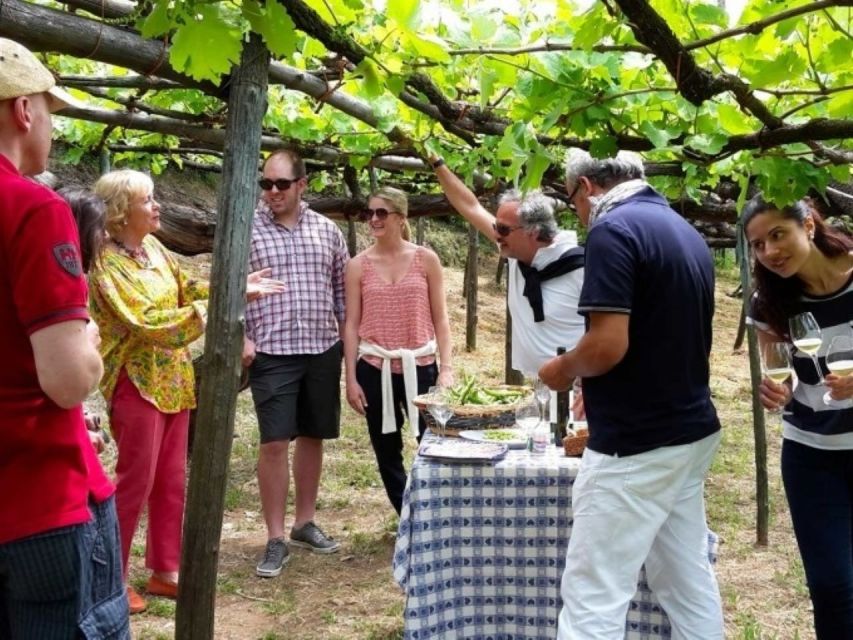
I would recommend this tour to you if you want a taste of Campania that goes beyond the usual coastal sights. It suits couples, food-focused visitors, and anyone who enjoys seeing how a regional product is made.
It is also a good fit for mixed-interest groups. One person can focus on wine, another on the historic estate, and another on the food and mountain setting. The guide’s use of English or Italian makes the visit accessible to a wider range of visitors.
The format works well for beginners. You receive an introduction to local viticulture, production, and three wines without needing a specialist vocabulary. The snacks make the tasting relaxed and give you a way to compare the wines with familiar local flavors.
You may want something else if you are looking for a long vineyard walk, a full meal, or a broad survey of many wineries. The outdoor tour may feel short, and the activity stays focused on Tenuta San Francesco rather than taking you to several producers.
Practical timing and planning advice
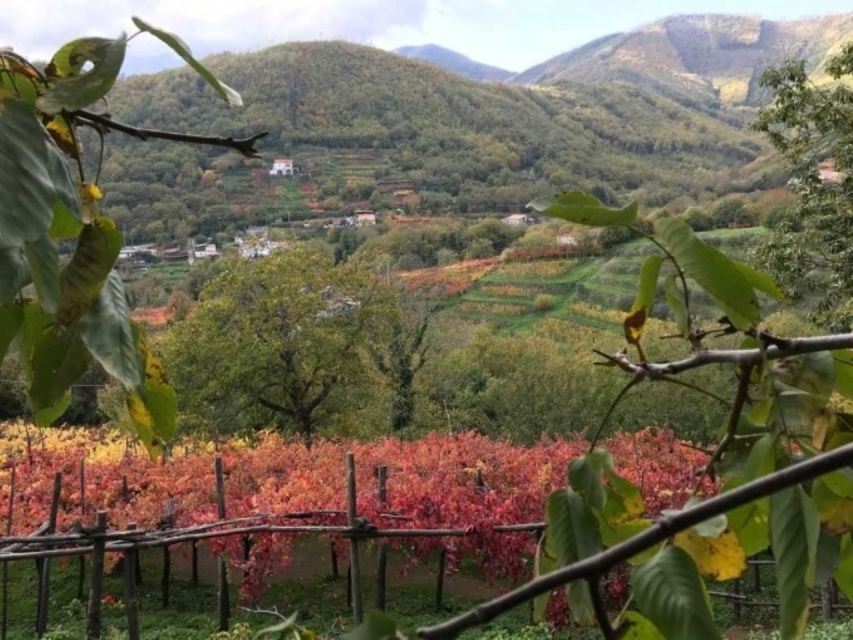
Allow the full two hours, since the experience includes several parts: the grounds, vineyard, historic estate, cellar, production explanation, and tasting. Starting times vary, so check availability when you choose your date.
The meeting point is directly at Tenuta San Francesco. Since transportation is not included, plan that part before booking rather than assuming a pickup from Amalfi, Ravello, or another coastal town.
The tour is offered in English and Italian with a live guide. If language matters to your group, select the appropriate option and confirm the available starting time.
You can reserve without paying immediately, which is useful when you are coordinating several days around the Amalfi Coast. The cancellation policy allows a full refund when you cancel at least 24 hours ahead.
One practical point is food timing. The included snacks are substantial enough to make the tasting satisfying, but the activity is still described as a tasting with snacks, not as a complete meal. Plan lunch or dinner separately if needed.
Should you book Tenuta San Francesco?
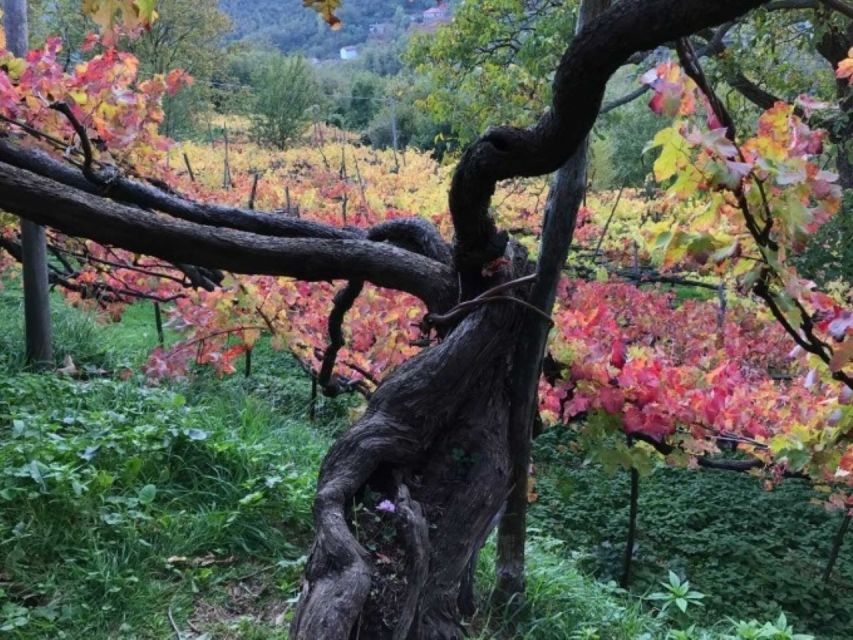
Book this visit if you want local wine, old estate buildings, and regional food in one compact outing. The warm welcome, personal attention, and clear focus on the wines and snacks make it a strong choice near Tramonti.
The main limitation is the outdoor portion. If you are hoping for a long vineyard walk, you may find it modest. But if you care more about understanding the winery, seeing its old cellar and modern equipment, and tasting three local wines with good food, the two-hour format works well.
At $82, it is best for visitors who want a guided cultural experience rather than a simple drink. For a first look at Tramonti’s wine traditions, I would put this on your short list.
FAQ
Where does the Tenuta San Francesco wine tasting take place?
The meeting point is at Tenuta San Francesco winery in Tramonti, Campania, Italy.
How long does the activity last?
The wine tasting and guided winery visit last two hours.
How much does the experience cost?
The listed price is $82 per person.
How many wines are included?
You taste three different Amalfi Coast wines connected with the Bove, D’Avino, and Giordano families.
What food comes with the wine tasting?
The tasting includes panzanella with fresh tomatoes and basil, fresh mozzarella and ricotta, matured cheeses, and salami.
Is a guided tour included?
Yes. A guided tour of the winery, grounds, vineyard, cellar, and production areas is included.
In which languages is the tour offered?
The live tour guide can conduct the experience in English or Italian.
Is transportation to the winery included?
No. Transportation is not included, and you must meet at Tenuta San Francesco.
Can I cancel the booking for a refund?
Yes. You can cancel up to 24 hours in advance for a full refund.
Can I reserve now and pay later?
Yes. The reserve-now, pay-later option lets you book the experience without paying at the time of reservation.
More Food Tours in Sorrento
- Sorrento: Coast and Capri Boat Trip with Limoncello Tasting
★ 4.4 · 2,037 reviews - Walking Food Tour in Sorrento w/ Limoncello Factory Lemon Grove
★ 4.5 · 821 reviews - Pompeii Ticket + Tour with Optional Tasting Experience at Pompeii
★ 5.0 · 663 reviews - Sorrento: Farm Tour with Cheese Tasting & Pizza Making Class
★ 5.0 · 503 reviews
More Wine Tastings in Sorrento
- Sorrento: Pizza Lesson, Wine, and Limoncello at a Local Farm
★ 5.0 · 1,513 reviews - Amalfi Coast Day Tour from Sorrento with Light Lunch and Wine
★ 4.5 · 1,148 reviews - Pizza School with Wine and Limoncello Tasting in a Local Farm
★ 5.0 · 845 reviews - Authentic Farm Tour with Pizza, Cheese, Wine & Limoncello Tasting
★ 5.0 · 698 reviews
Newest reviews from Sorrento
- Private Stress-Free Tour from Sorrento: Ischia Island & Tastings★ 5.0 · 4 reviews
- Tour in the ruins of Pozzuoli with an archaeolgist.★ 5.0 · 4 reviews
- Vico Equense: Authentic Cooking Class at a Local’s Home★ 5.0 · 4 reviews
- Lemon Experience with Limoncello demonstration★ 5.0 · 4 reviews
- Path of the Lemons★ 5.0 · 4 reviews
- Private Tour Pompeii and Winery★ 5.0 · 4 reviews
- Positano Private Tour By Night from Sorrento★ 5.0 · 4 reviews
- Walking Secret Food Tours Sorrento with tastings★ 4.5 · 4 reviews
Sorrento Wine Tastings, compared.
Sorrento Farm and Food Experience including Olive Oil, Limoncello, Wine tasting
Read our review →
Pompeii and Mt. Vesuvius with Lunch and Wine Tasting
Read our review →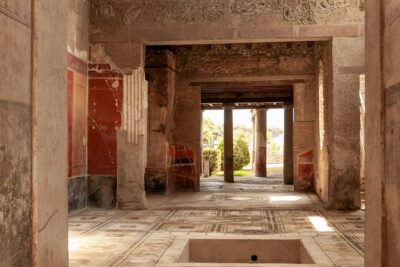
Pompeii Tour & Lunch with Wine Tasting Experience
Read our review →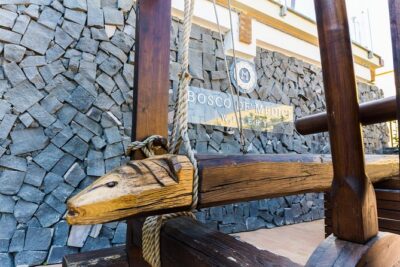
Pompeii Vineyard Escape: Private Wine Tasting & Lunch
Read our review →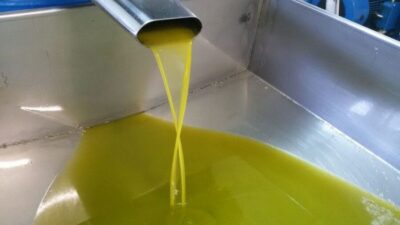
Lemon, Olive Oil and Wine Tasting Tour with Lunch
Read our review →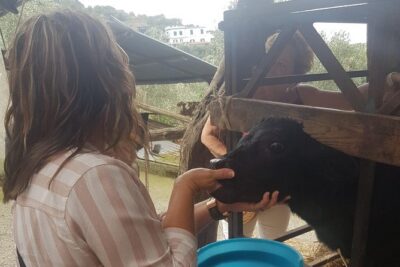
E-Bike Food and Wine Tour in the Sorrento Peninsula
Read our review →
Mount Vesuvius: Vineyard Tour with Wine Tasting and Lunch
Read our review →
Browse the lists this tour appears in