Reviewed · PASTA
Handmade pasta workshop by Cilento Experience
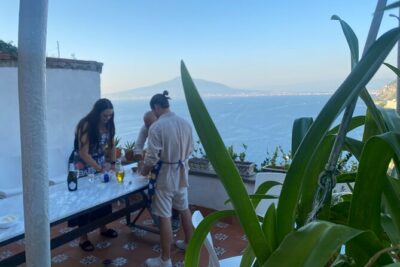
The best part of this experience is that the pasta lesson begins with the food’s source. You first visit the countryside where Michele grows vegetables, then meet Rosalba, who teaches you to make tagliatelle and ricotta ravioli in the family kitchen. The meal is served on a flower-filled garden terrace, with ingredients tied closely to the surrounding Cilento area.
I like the honest family setting, and I like that Rosalba welcomes questions rather than treating the class like a stage show. The freshly pressed olive oil comes from her grandmother’s mountain trees, the sage grows in the garden, and the ricotta is made nearby. The main consideration is the setting outside Salerno: you meet in Capaccio Paestum, so you need to allow time to reach Via della Gueglia 53. Also, the advertised two hours and five minutes may not be the whole story. One family’s visit lasted more than four hours.
In This Review
- Key points to know before booking
- Why this pasta class feels different
- Meeting Rosalba and hearing her story
- The countryside visit with Michele
- Making tagliatelle from scratch
- Filling the ricotta ravioli
- Eating on the garden terrace
- What the private format changes
- Is $96.12 a fair price?
- Who will enjoy this most
- Practical details for planning your visit
- Should you book the Cilento pasta workshop?
- FAQ
- Where does the handmade pasta workshop take place?
- What time does the experience start?
- How long does the activity last?
- Is the workshop private?
- What pasta dishes will I make?
- What food is served after the lesson?
- Is the activity offered in English?
- Can I cancel for a full refund?
Key points to know before booking
- A real family kitchen: Rosalba learned to cook for her younger brother while her parents worked in the fields.
- A short farm visit first: Michele’s vegetable plot gives you a clearer sense of where the meal begins.
- Two classic pasta dishes: You make tagliatelle and ravioli filled with fresh buffalo ricotta.
- A private group setting: Only your party takes part, which makes questions and pacing easier.
- A full meal is included: You eat ravioli with butter and sage, plus tagliatelle in homemade tomato sauce.
- A generous time frame: The scheduled duration is about two hours and five minutes, but the visit may run much longer.
Why this pasta class feels different
Many pasta classes focus on the mechanics: flour, eggs, kneading, rolling, and cutting. This one adds the family story and the food’s local setting. You do not simply sit in a studio kitchen and copy a recipe. You begin with a short excursion to the countryside, where Michele grows vegetables, then return to the garden terrace for the cooking lesson and meal.
That order matters. It connects the finished plate with the place around you. You can see why sage comes from the garden, why olive oil is a family product rather than a bottle chosen at random, and why fresh ricotta plays such an important role in the ravioli.
The kitchen is on a flower-filled terrace surrounded by greenery. The meal is eaten there too, following the Cilentan habit of keeping the food, cooking, and family table together. This is not a formal restaurant service, and that is part of its appeal. You should expect a personal home-style visit, not a polished culinary demonstration with a strict timetable.
More Salerno tours worth comparing
- Share your Pasta Love: Small group Pasta and Tiramisu class in Vietri sul mare
★ 5.0 · 16 reviews - Sorrento: Pasta and Tiramisu Cooking Class with Wine
★ 4.8 · 597 reviews - Cooking class with Pasta, mozzarella and Tiramisu with wine
★ 5.0 · 549 reviews
Meeting Rosalba and hearing her story
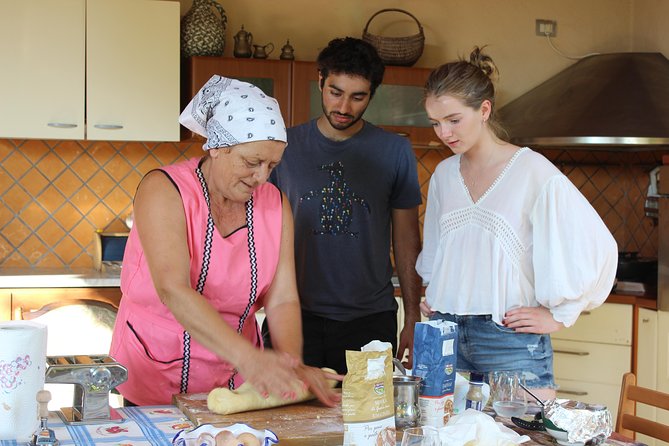
Rosalba is the central figure in the cooking portion. Her pasta skills come from necessity as much as tradition. When she was young, her parents spent the day working in the fields, so she had to cook for her younger brother. That early responsibility became a deep practical skill.
I find that background useful because it explains the style of the lesson. You are learning from someone who cooked as part of daily life, not only as a hobby or performance. Her approach is likely to be hands-on and direct, with attention to the small choices that make homemade pasta work.
Rosalba also wants you to ask questions. That makes the class a better fit if you are curious about more than measurements. You can ask about the pasta dough, the filling, the sauce, the garden ingredients, and the way food fits into family life in Cilento.
Daniel is also part of the experience and handles the hosting side. His help can be valuable before the class begins. One family had trouble arranging trains from Salerno, and Daniel responded late the night before and even collected them from the station. That kind of assistance is not listed as a standard transfer service, so you should not assume pickup is included, but it shows the personal level of care that may be available when plans are complicated.
The countryside visit with Michele
The first part takes you briefly into the countryside to see where Michele grows vegetables. This is not described as a long farm tour, so you should think of it as a short introduction rather than a full agricultural visit.
Its value is simple. You get context before you cook. The vegetables are not an abstract claim about local food. They are connected to a person and a working plot. That helps you understand the modest, seasonal spirit behind the meal.
You should also keep your expectations in check. The information does not promise a large farm, a long walk, or a detailed lesson in cultivation. The focus remains homemade pasta, and the farm stop works as an opening chapter rather than the main event.
Making tagliatelle from scratch
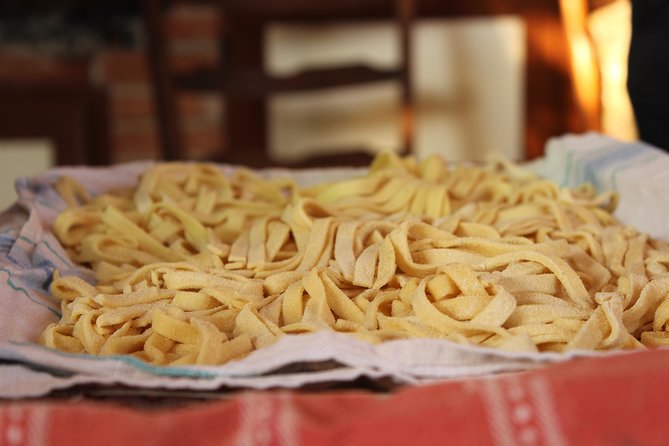
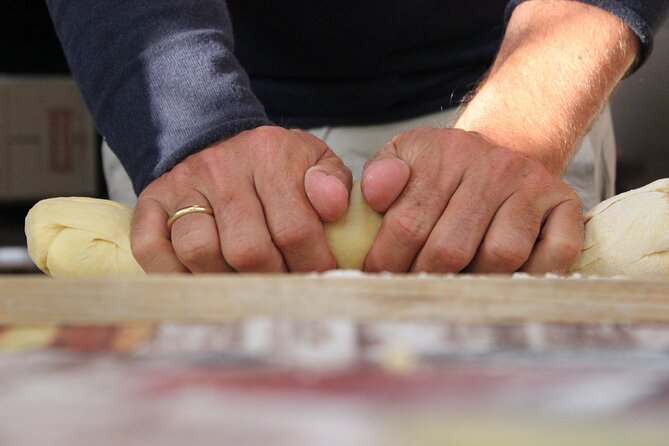
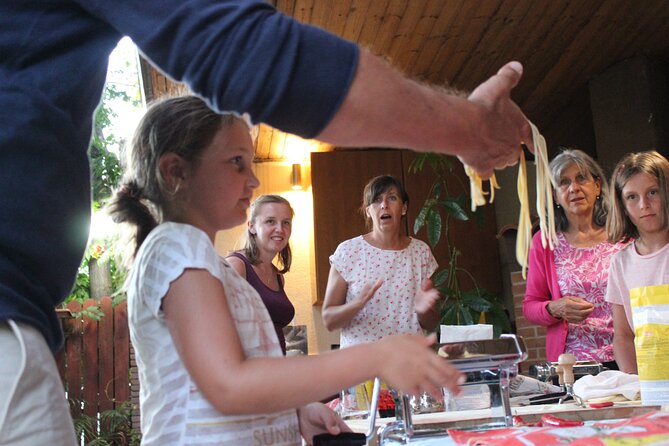
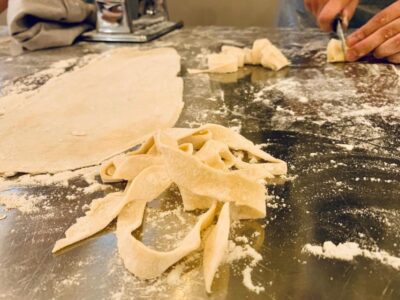
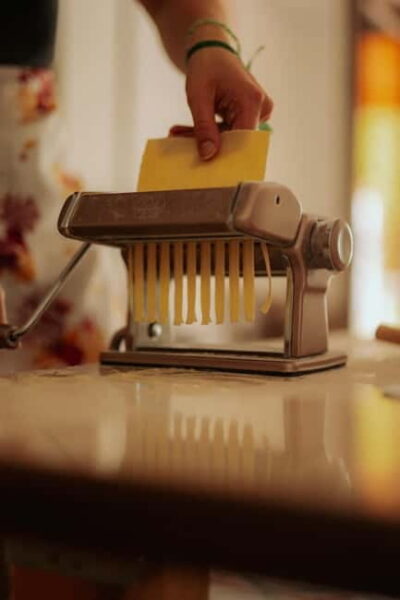
Back on the terrace, the cooking centers on two pasta shapes. The first is tagliatelle, the long, ribbon-like pasta familiar throughout Italy. You will learn the process of making and shaping it, with Rosalba offering practical tips and tricks for getting the dough and cuts right.
That hands-on element is especially useful for families. A seven-year-old enjoyed the class as much as the adults in one family group, and Daniel was described as especially good with children. Kids can take part in a real food task instead of watching from the side, although the exact amount of assistance each child needs will depend on age and confidence.
The finished tagliatelle is served with homemade tomato sauce. This pairing is straightforward, which is exactly why it works for a lesson. You can taste the pasta itself rather than hiding it under a complicated sauce.
The class is also useful if you cook at home. The advice from a family cook can cover details that recipes often skip: how the dough should feel, how thin to roll it, and how to avoid making the noodles too heavy. The supplied information does not give a precise recipe or ingredient list, so you should treat this as a practical lesson rather than a printed cooking course.
A completely different way to spend a day in Salerno:
- Salerno: Amalfi Coast Cruise with Lunch, Aperitif & Swimming
★ 4.5 · 879 reviews - Small-Group Amalfi Coast Day Cruise from Positano
★ 5.0 · 678 reviews - Amalfi Coast Boat tour Small Group
★ 5.0 · 501 reviews - From Salerno: Day Trip to Amalfi Coast by Boat with Drinks
★ 4.9 · 374 reviews
Filling the ricotta ravioli
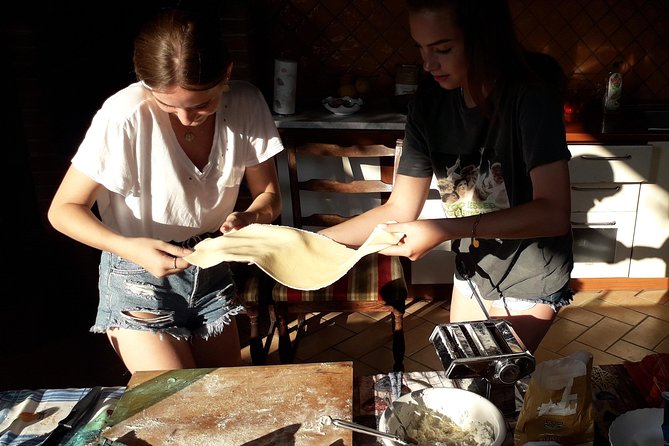
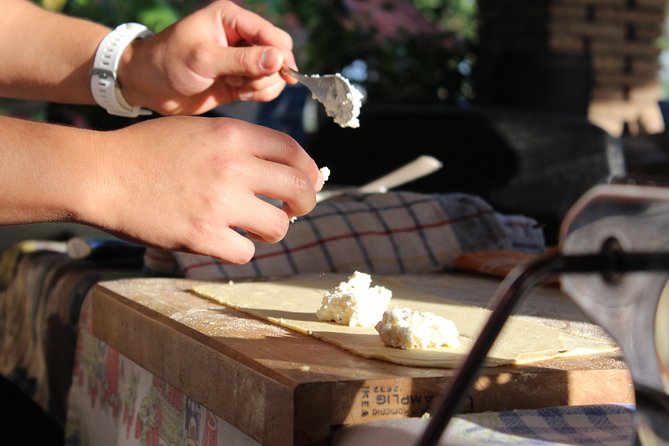
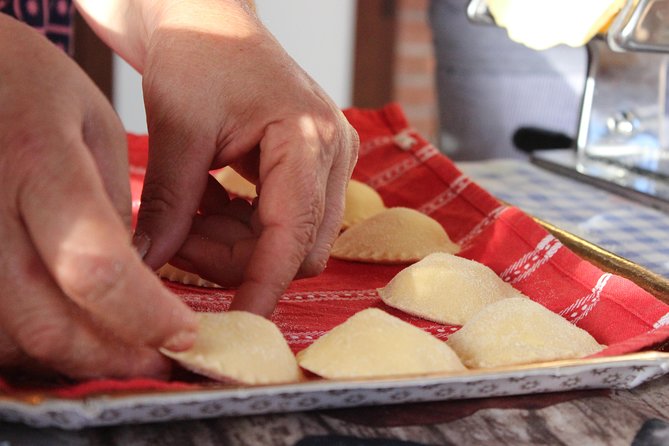
The second dish is ravioli di ricotta, filled with freshly made buffalo ricotta. The filling also includes buffalo butter, while sage comes from the garden. This combination gives the dish a clear local identity without piling on too many ingredients.
You will likely spend time learning how to place the filling, seal the pasta, and shape the ravioli without trapping unwanted air or letting the edges open. Those are the parts of handmade pasta that benefit most from an experienced cook standing beside you.
The finished ravioli is served in butter and sage sauce. The sauce sounds spare, but it highlights the ricotta and the pasta. Fresh buffalo ricotta has a different character from the ordinary supermarket cheese many home cooks use, and the nearby source gives the lesson a strong connection to the area.
This is also where the class feels most special for a food-focused visitor. You are not only learning a famous Italian dish. You are working with ingredients that come from close to the family: ricotta made around the corner, sage from the garden, and olive oil from the grandmother’s trees in the mountains.
Eating on the garden terrace
After the cooking, you eat what you made. The sample menu includes ravioli di ricotta with butter and sage sauce, followed by tagliatelle in homemade tomato sauce. The meal is not an extra restaurant course added to the activity. It is the natural result of the work you have just done.
The terrace setting matters. The kitchen and dining area are both outside among flowers and greenery, and the hosts eat there as part of their own routine. That gives the meal a more domestic feel than a class held in a commercial kitchen.
You should expect a relaxed table rather than a formal service. The experience is designed around cultural exchange, so conversation is part of the meal. Rosalba can answer questions, and Daniel can help connect the food to the wider family story.
The ingredients also keep the menu focused. There is no promise of a long series of courses, wine tasting, or elaborate dessert. The strength is the pasta, the family setting, and the freshness of the basic ingredients.
What the private format changes
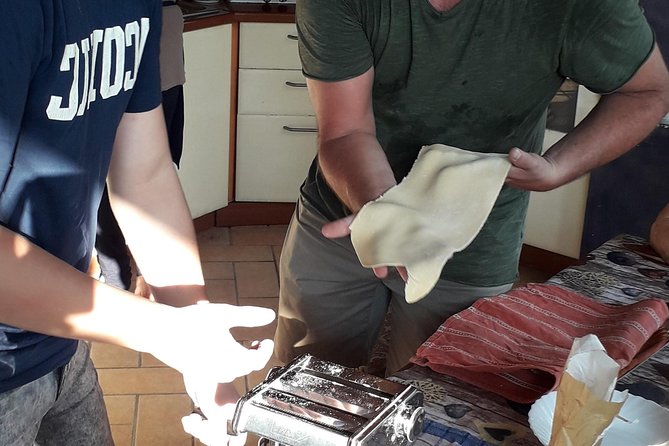
This is a private activity, so only your group participates. That is a major advantage if you want to ask questions, need a slower pace, or are traveling with children. You do not have to compete with a large class for table space or attention.
A private lesson can also make the experience more personal. Rosalba can respond to your level of cooking experience, and children can take part without worrying about holding up strangers. Daniel’s reported help with train arrangements adds another layer of flexibility, though you should confirm any transport request before booking.
The tradeoff is that a private class may feel quieter if you are traveling alone or as a couple and hoped to meet a larger group. The supplied details do not state the maximum party size, so you should ask if that matters to your plans.
Is $96.12 a fair price?
At $96.12 per person, this is not the cheapest way to eat pasta in the Salerno area. You are paying for more than a plate of food, though. The price covers a private activity, a countryside visit, instruction in two pasta dishes, and the meal that follows.
The value improves if you care about personal contact and local ingredients. Fresh buffalo ricotta, buffalo butter, garden sage, homemade tomato sauce, and family olive oil give the class more substance than a generic pasta workshop built around standard pantry items.
It is also a good use of time if you are based in Salerno and want a day connected with the Capaccio Paestum area. The meeting point is at Via della Gueglia 53, 84047 Capaccio Paestum, in the province of Salerno. You need to plan your own way there unless a separate arrangement is confirmed with Daniel.
The duration deserves attention. The official schedule is about two hours and five minutes, beginning at 3:00 pm and ending back at the meeting point. Yet one family’s visit ran beyond four hours. That may be a pleasant surprise if you have a free evening, but it can create trouble if you have a train, dinner reservation, or another timed visit afterward.
I would leave the rest of the evening open. The food, conversation, and family welcome may take longer than the formal schedule suggests.
Who will enjoy this most
I would recommend this for families who want children to take part in a real Italian food tradition. The experience has enough variety to keep a young cook interested: a short farm visit, pasta making, shaping ravioli, and a meal outdoors. The seven-year-old who joined one family had a good time, which is a useful sign for parents planning a similar outing.
It also suits couples and small private groups who care about food and conversation more than a fast checklist of sights. You get to ask questions and spend time with the hosts rather than moving through a large organized class.
This may not suit you if you need a tightly controlled two-hour schedule. It may also disappoint if you expect a broad menu, a professional culinary certificate, or a major farm tour. The activity is focused and intimate. Its appeal is the connection between family cooking and local ingredients.
Practical details for planning your visit
The meeting point is Via della Gueglia, 53, 84047 Capaccio Paestum SA, Italy. The activity starts at 3:00 pm and ends back at the same meeting point.
The ticket is mobile, and the experience is offered in English. Booking confirmation is normally provided at the time of booking. If you book within 12 hours of the start time, confirmation comes as soon as possible and depends on availability.
Free cancellation is available if you cancel at least 24 hours before the local start time. Cancellations or changes made inside that window are not accepted for a refund. The experience requires good weather, and a poor-weather cancellation brings the choice of another date or a full refund. A minimum number of participants is also required, and if that minimum is not met, you can choose another date or experience, or receive a full refund.
Should you book the Cilento pasta workshop?
Book it if you want an intimate food experience tied to a real family and a real place. The strongest reasons are Rosalba’s personal cooking story, the use of nearby and family-sourced ingredients, the private format, and the chance to make both tagliatelle and ricotta ravioli before eating them on the terrace.
I would especially choose it for a family day from Salerno, provided you can reach Capaccio Paestum and keep your evening flexible. The $96.12 price is reasonable for a private, hands-on class with a meal, but less attractive if you only want a quick demonstration.
Ask about transport before you arrive, and do not schedule a tight train connection afterward. If you value conversation, home cooking, and food with a clear sense of place, this is a strong choice. If you prefer a short, formal lesson with an exact end time, choose something more structured.
FAQ
Where does the handmade pasta workshop take place?
The meeting point is Via della Gueglia, 53, 84047 Capaccio Paestum SA, Italy.
What time does the experience start?
The workshop starts at 3:00 pm.
How long does the activity last?
The scheduled duration is approximately 2 hours and 5 minutes. The visit may last longer, so it is wise to keep your evening open.
Is the workshop private?
Yes. Only your group participates in the private activity.
What pasta dishes will I make?
You will learn to make homemade tagliatelle and ravioli di ricotta.
What food is served after the lesson?
The sample menu includes ricotta ravioli with butter and sage sauce, plus tagliatelle with homemade tomato sauce.
Is the activity offered in English?
Yes. The experience is offered in English, and you receive a mobile ticket.
Can I cancel for a full refund?
Yes, if you cancel at least 24 hours before the experience start time. Poor weather or failure to reach the required minimum number of participants may also lead to a different date or a full refund.
Newest reviews from Salerno
- Visit the Pompeii ruins from Salerno with Pizza Lunch★ 5.0 · 4 reviews
- Amalfi coast tour with skipper from Salerno to Positano★ 4.8 · 4 reviews
- Tours on the Amalfi Coast★ 5.0 · 4 reviews
- Capri Boat Tour for Small Groups★ 5.0 · 4 reviews
- Small Group Market tour&Dining Experience at Cesarina’s home in Vietri sul Mare★ 5.0 · 4 reviews
- Tresino Hike – Cilento National Park coast★ 5.0 · 5 reviews
- Private transfer from Salerno to Amalfi★ 4.5 · 5 reviews
- Amalfi Drive from Salerno★ 5.0 · 5 reviews
Pasta, compared.
Cooking class with Pasta, mozzarella and Tiramisu with wine
Read our review →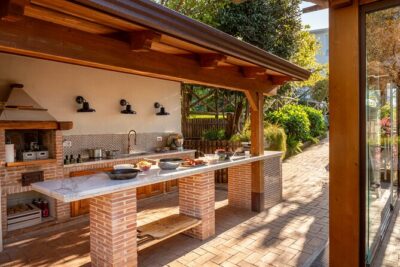
Pasta & Traditional Sorrento Cuisine with Pickup – 100% Hands On
Read our review →
Pasta and Pizza Master Class with Pick Up in Sorrento
Read our review →
Cooking Class with Pasta, Mozzarella, and Tiramisù
Read our review →